According to official data, the region provides 3,095 places for IDPs, of which 255 are available. Places for people with disabilities are counted separately. However, statistics do not reflect the full reality: “available places” often mean accommodating additional people in the same room, which cannot be considered comfortable living conditions.
The overall picture is discouraging. On paper, assistance appears systematic, but in practice we often encounter bureaucracy, indifference, and weak management. At the same time, it is worth noting that there are positive examples — and they need to be supported.
What We Saw
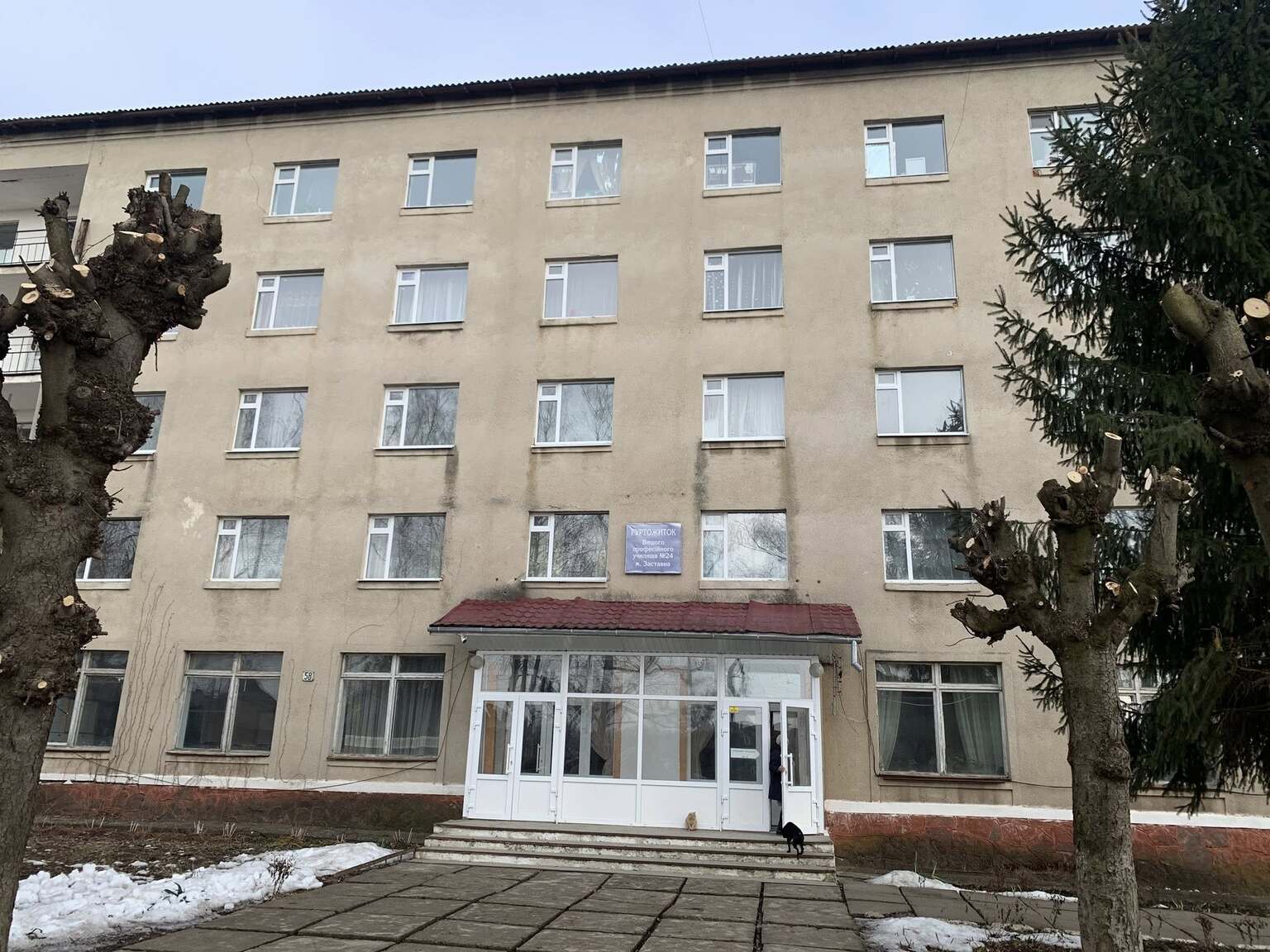
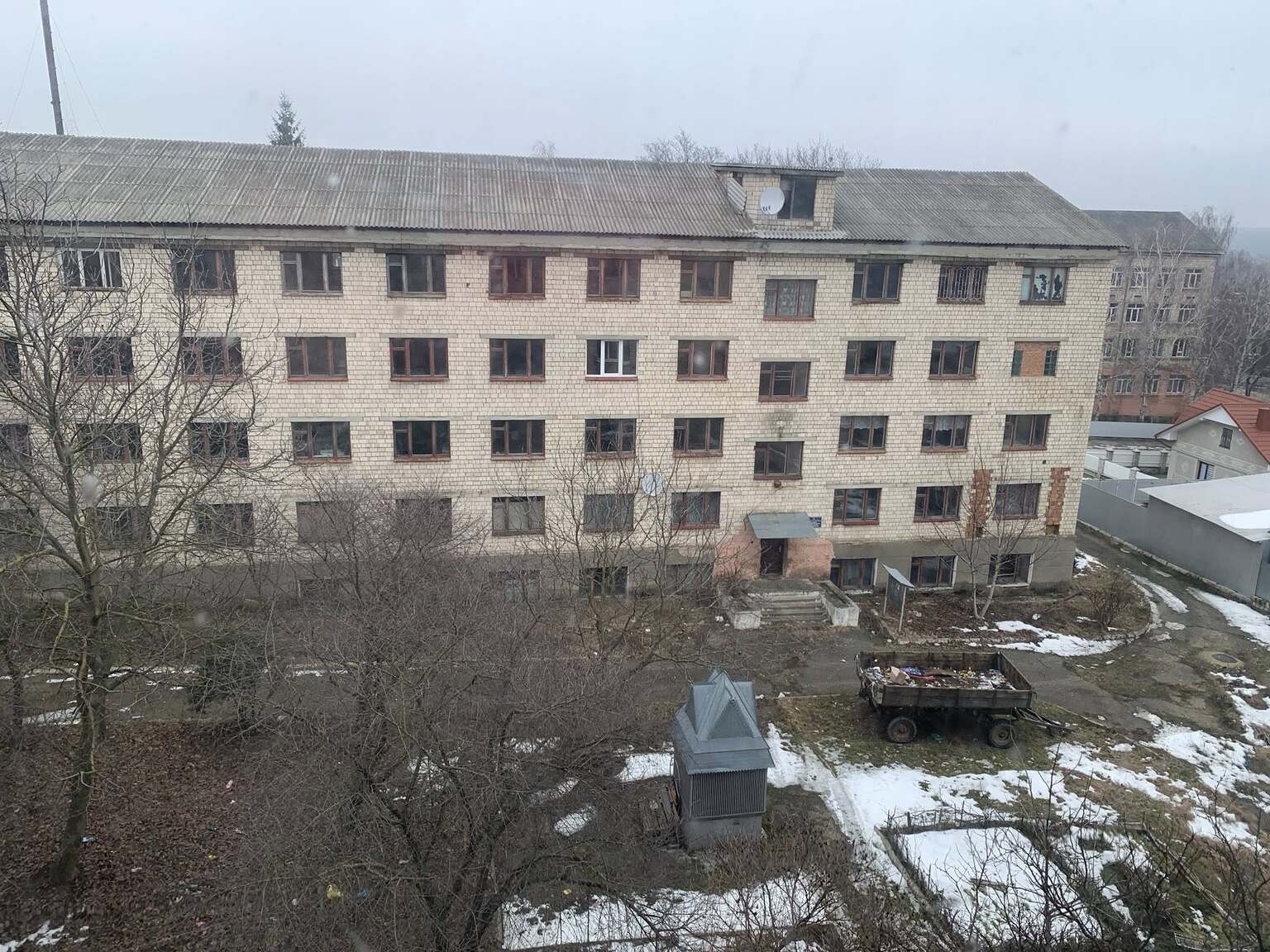
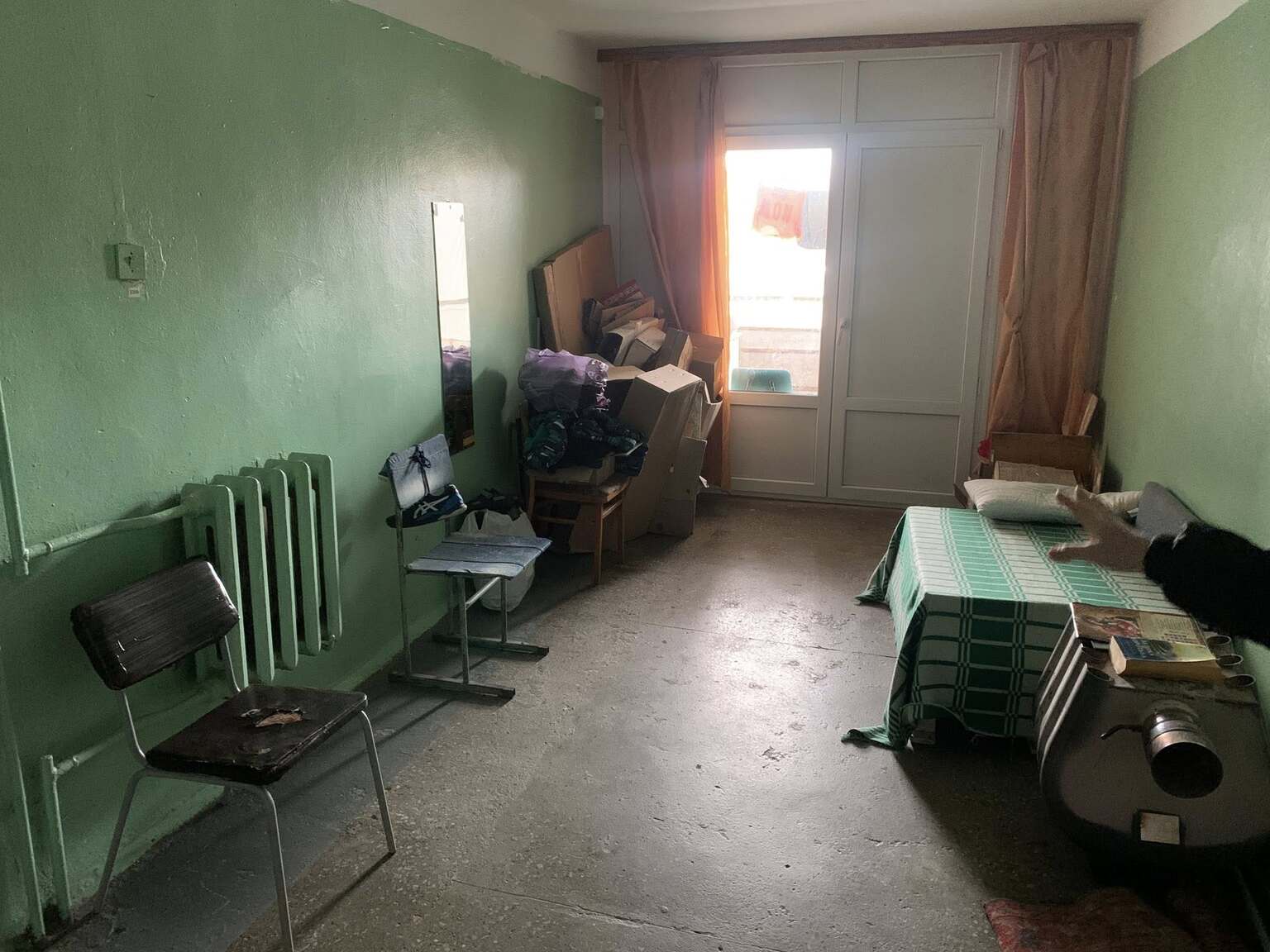
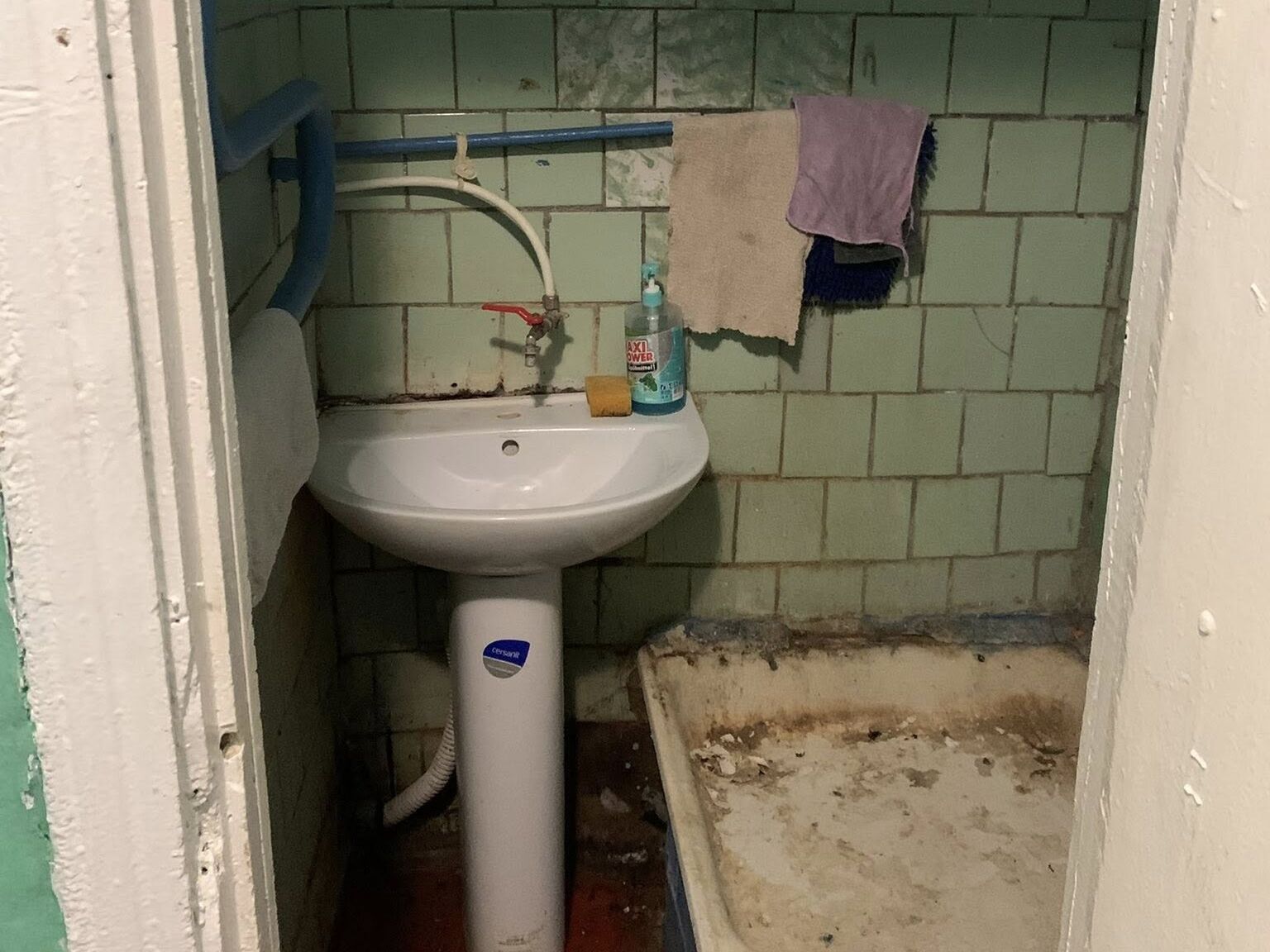
In one dormitory at a college, previously mentioned by the ombudsman, residents spoke about paying for rooms that had been renovated with donor funds. Meanwhile, an expensive generator is not used during power outages, and the solar panel does not function. Formally, there are 96 places; in reality, about 40 people live there. Part of the building stands empty, and a second block is neglected, although residents are willing to help with repairs themselves.
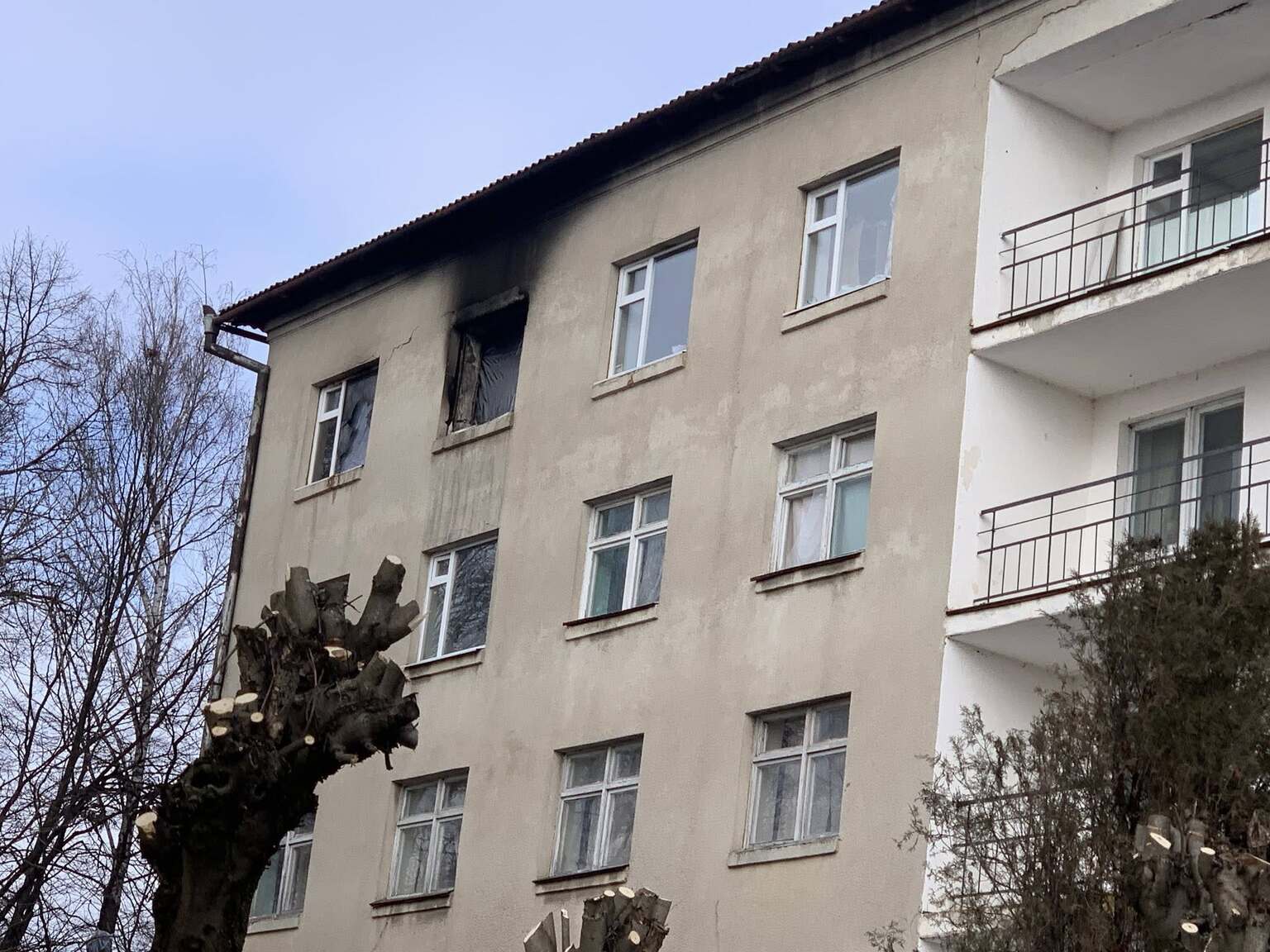
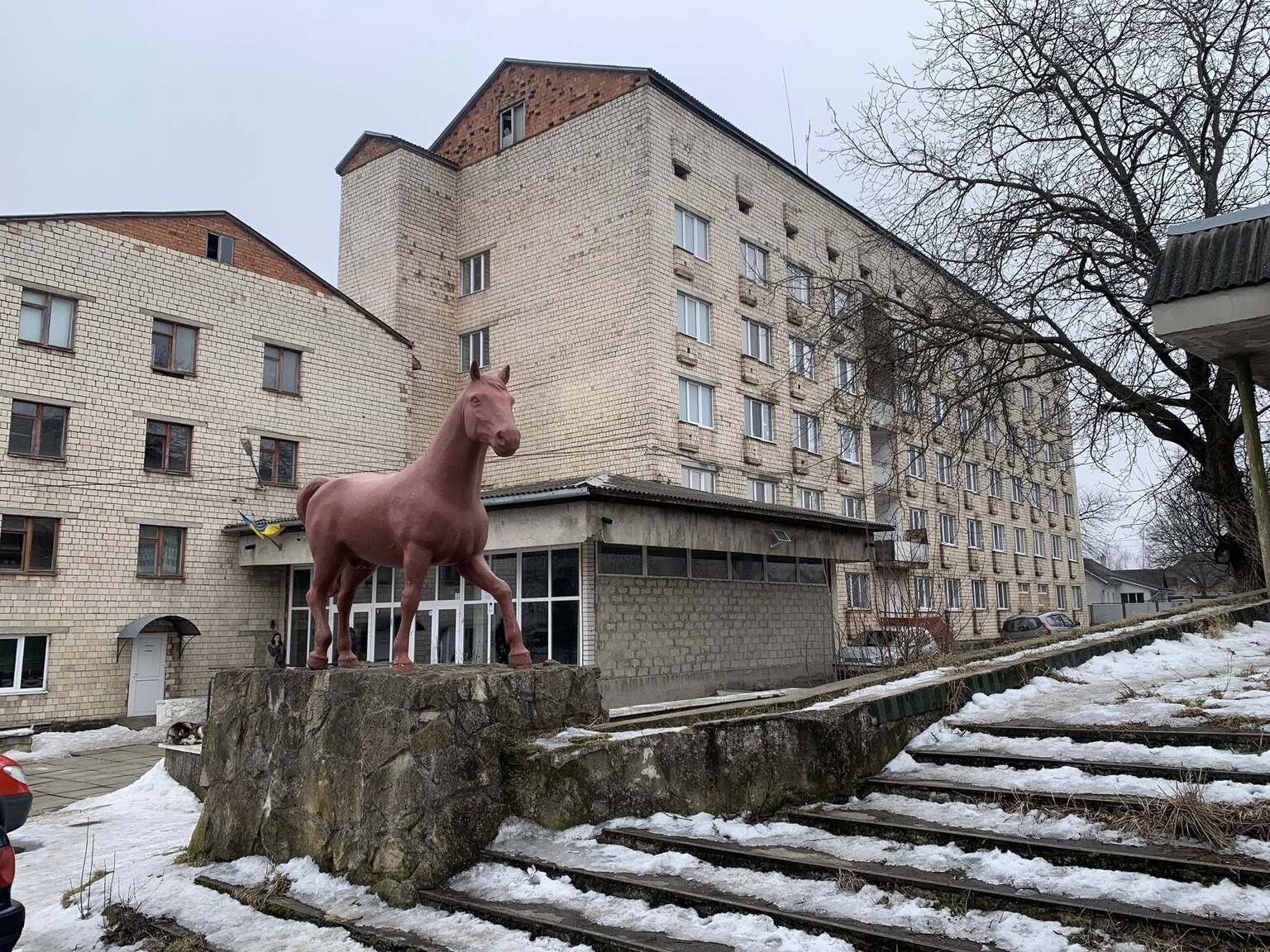
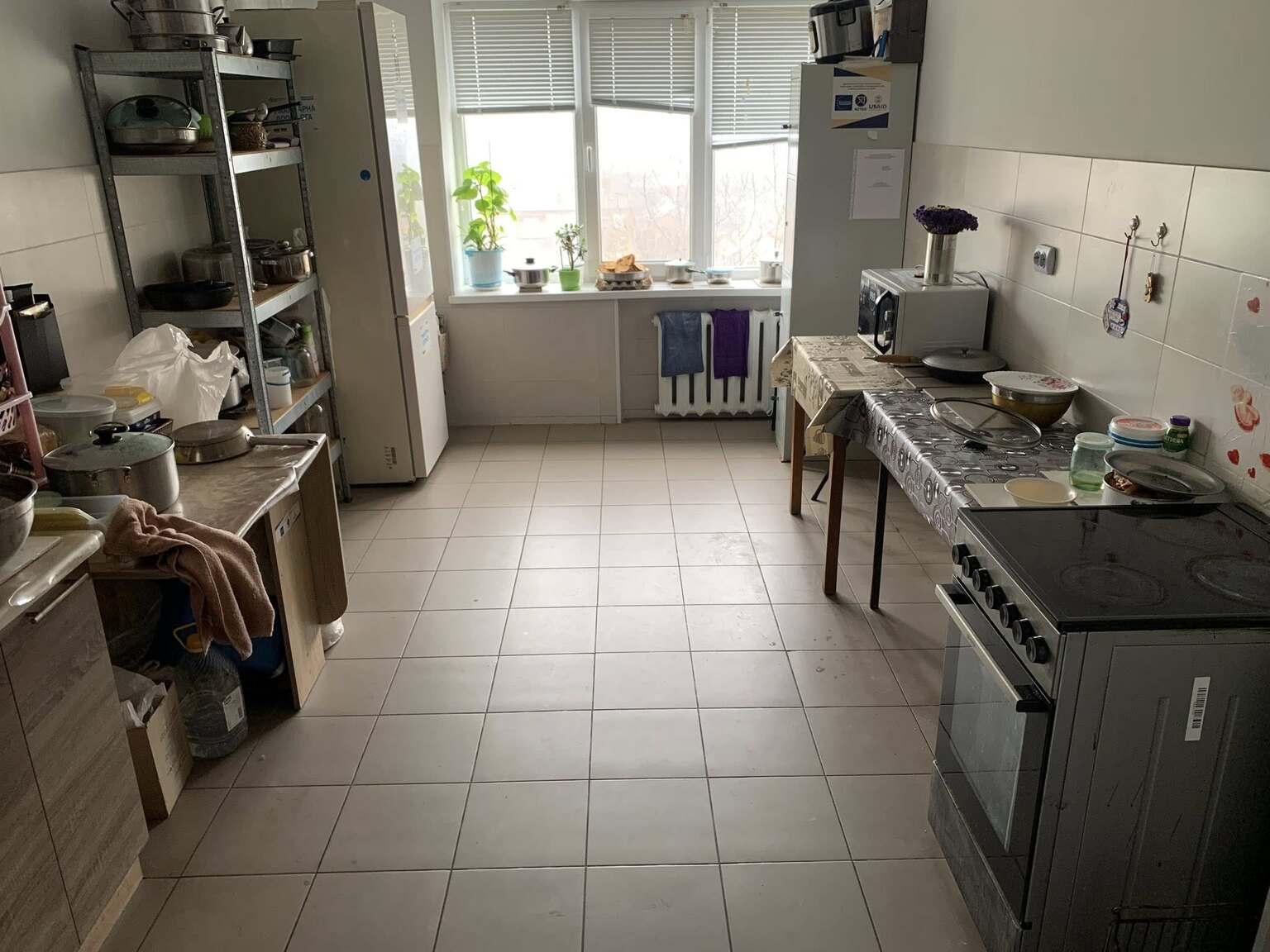
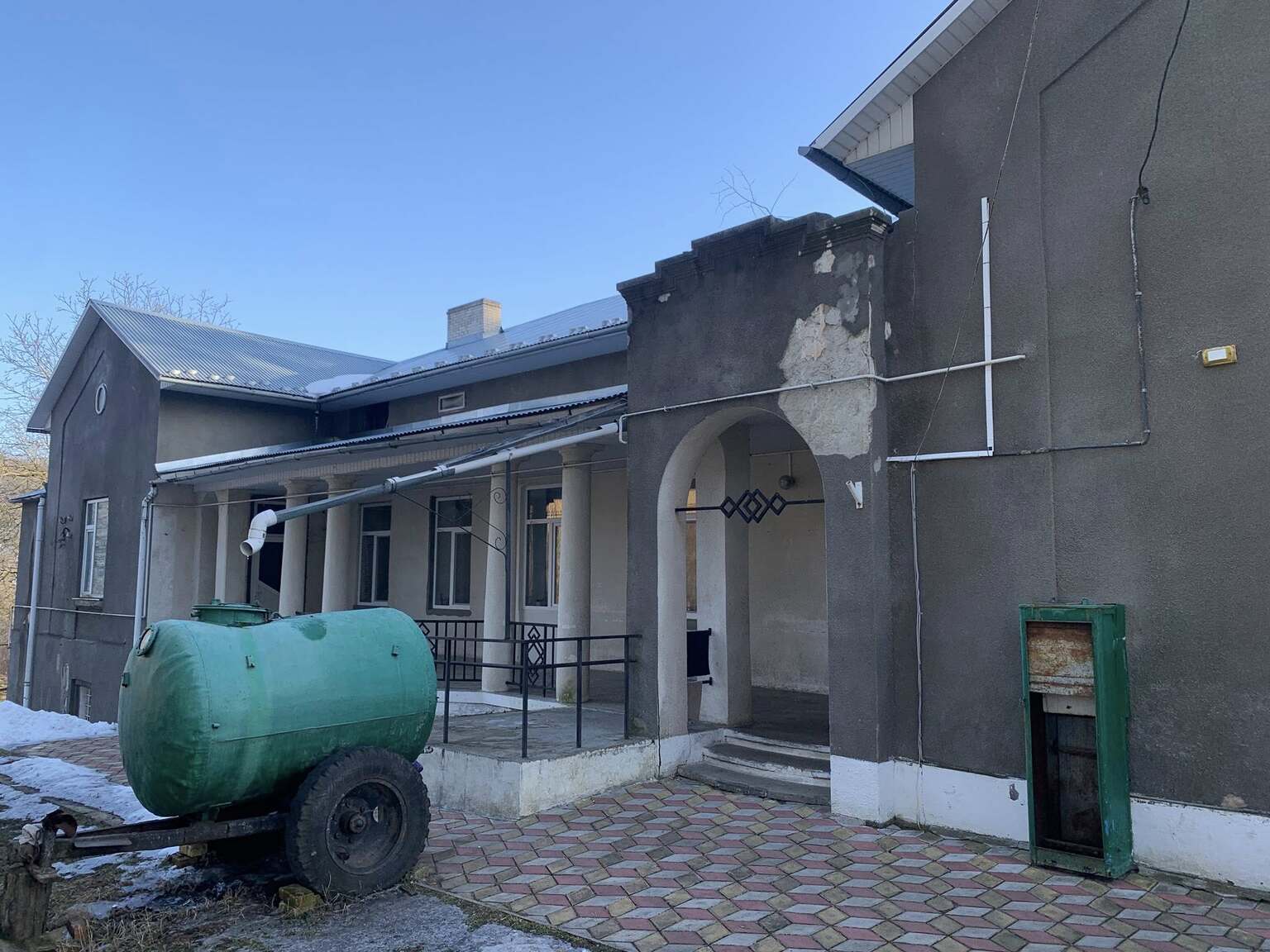
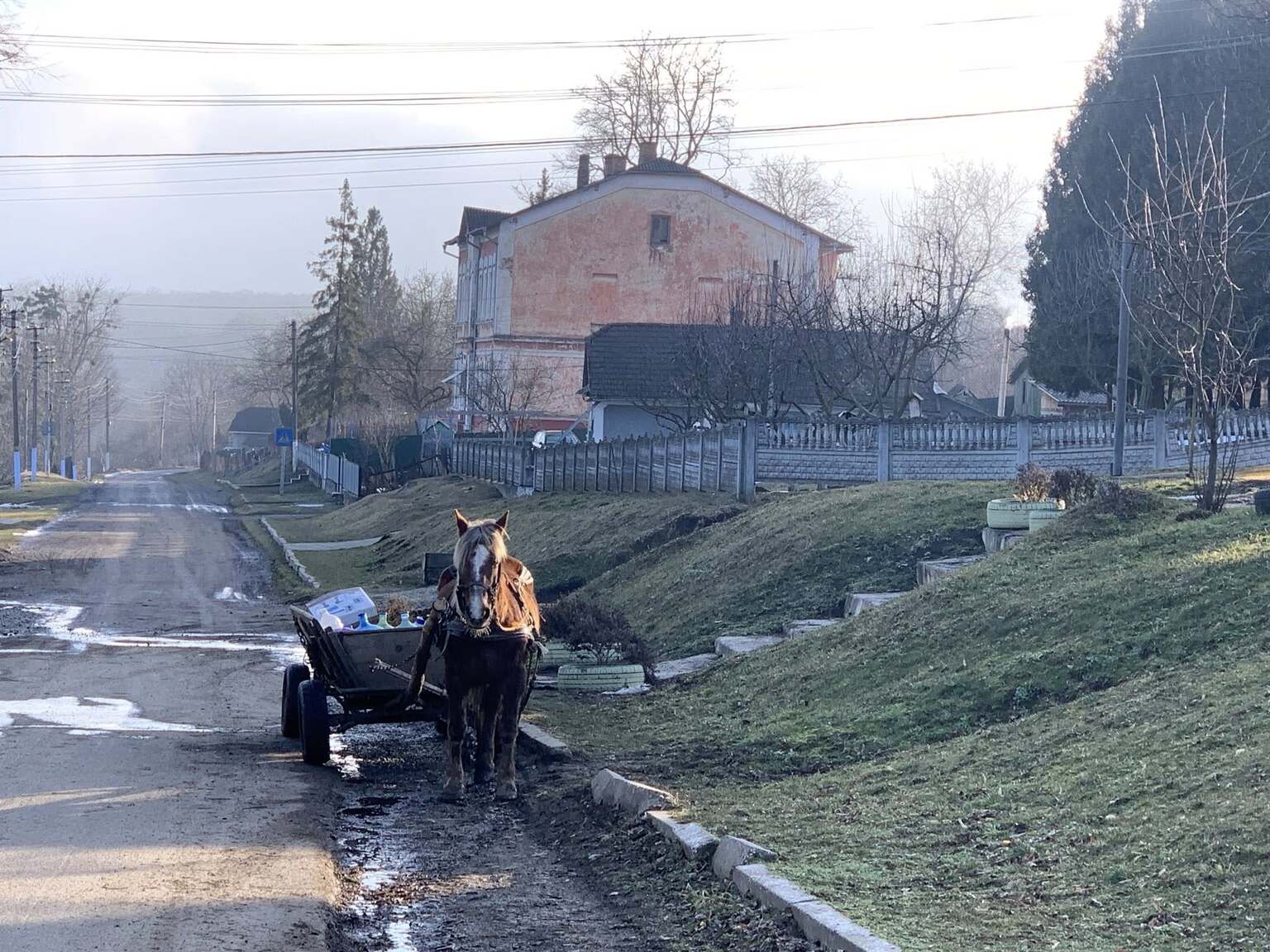
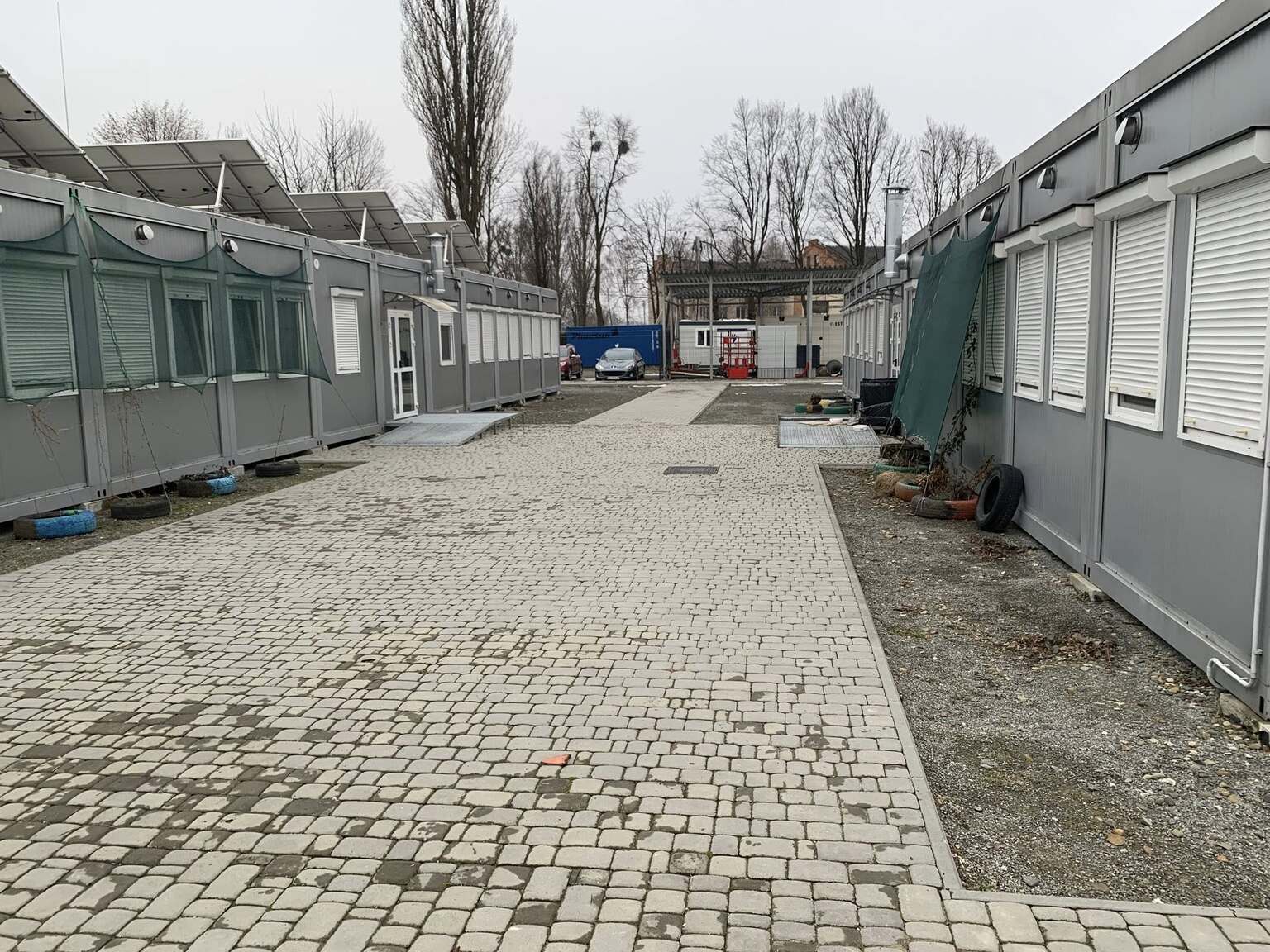
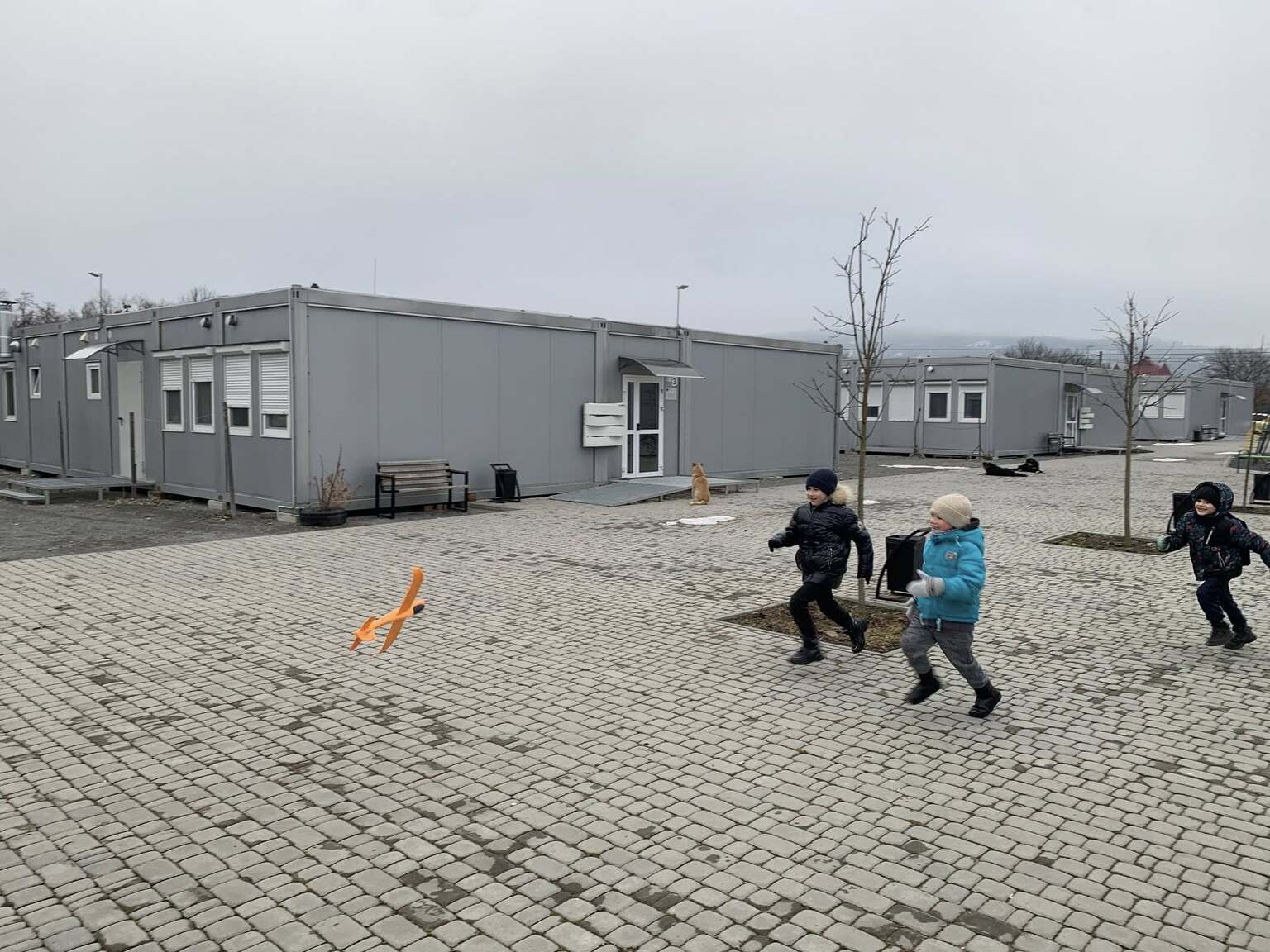
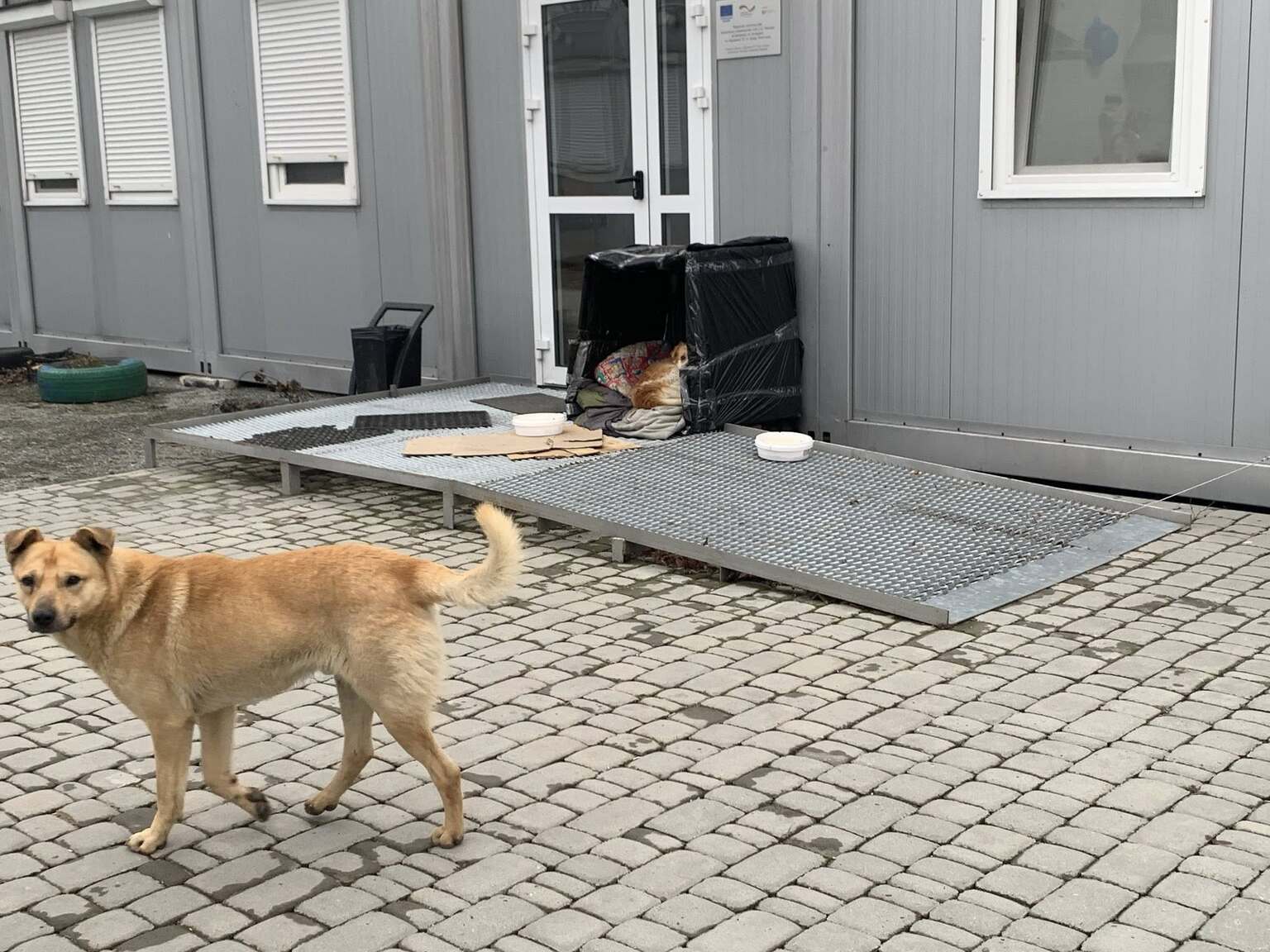
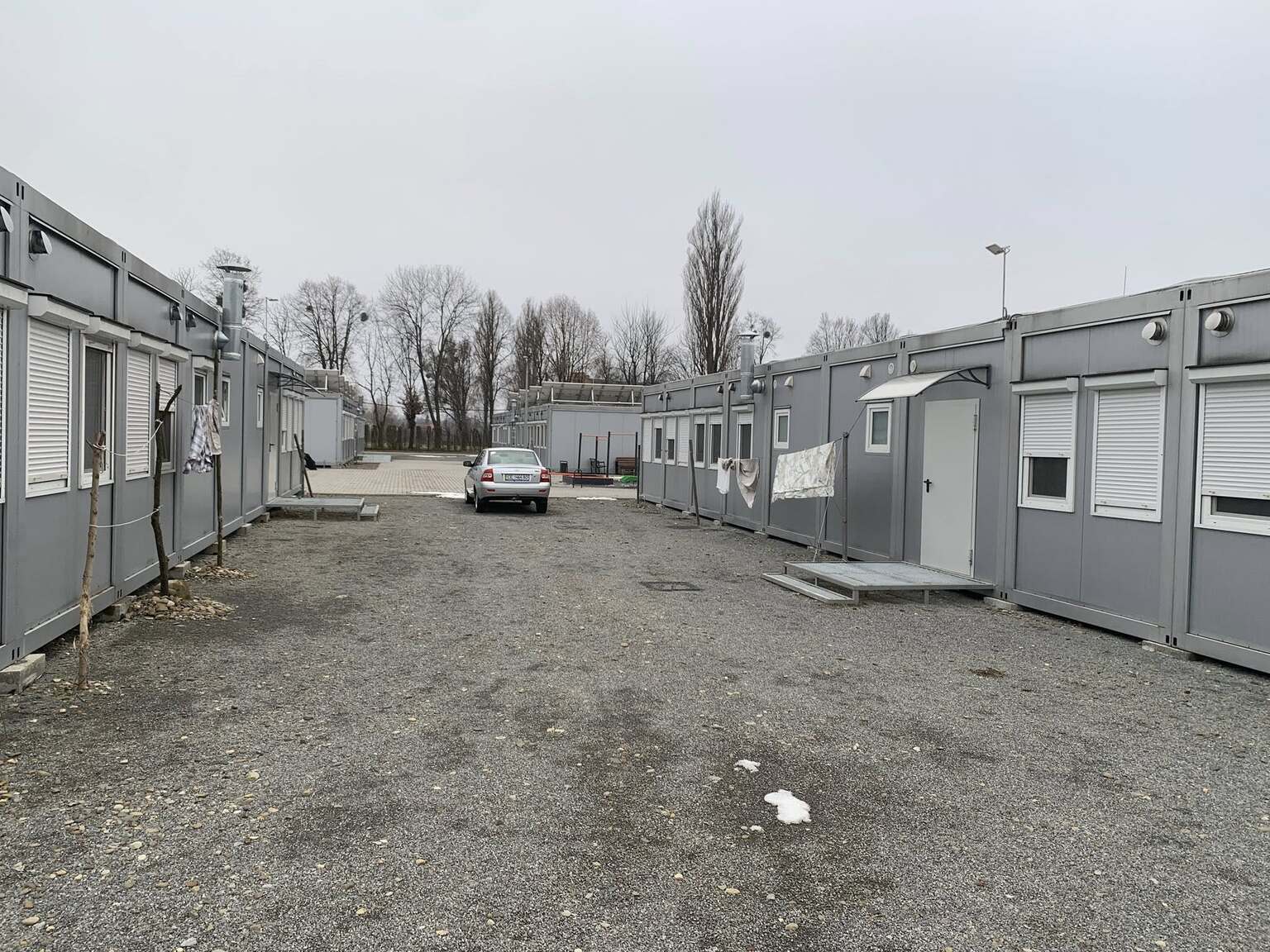
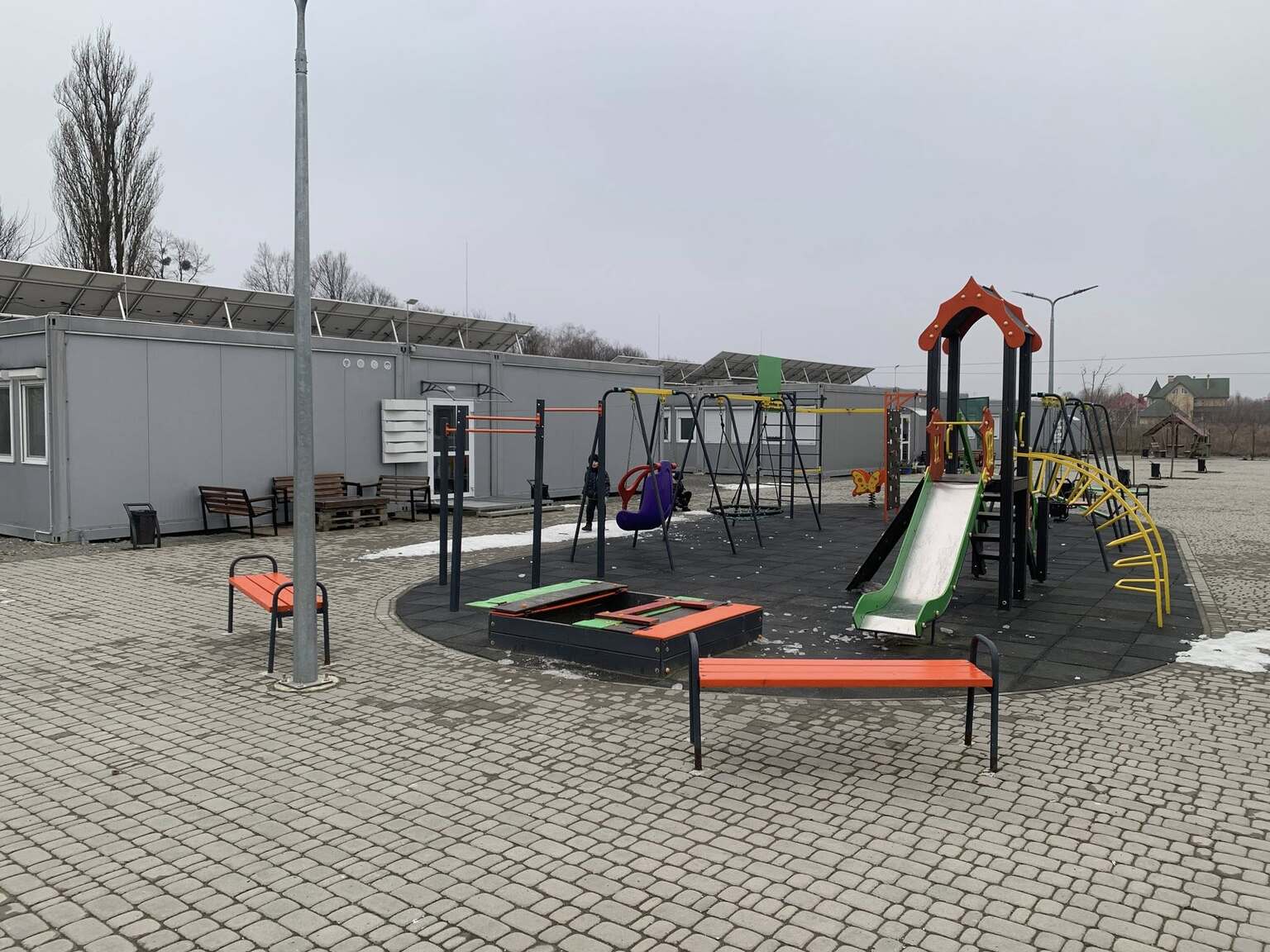
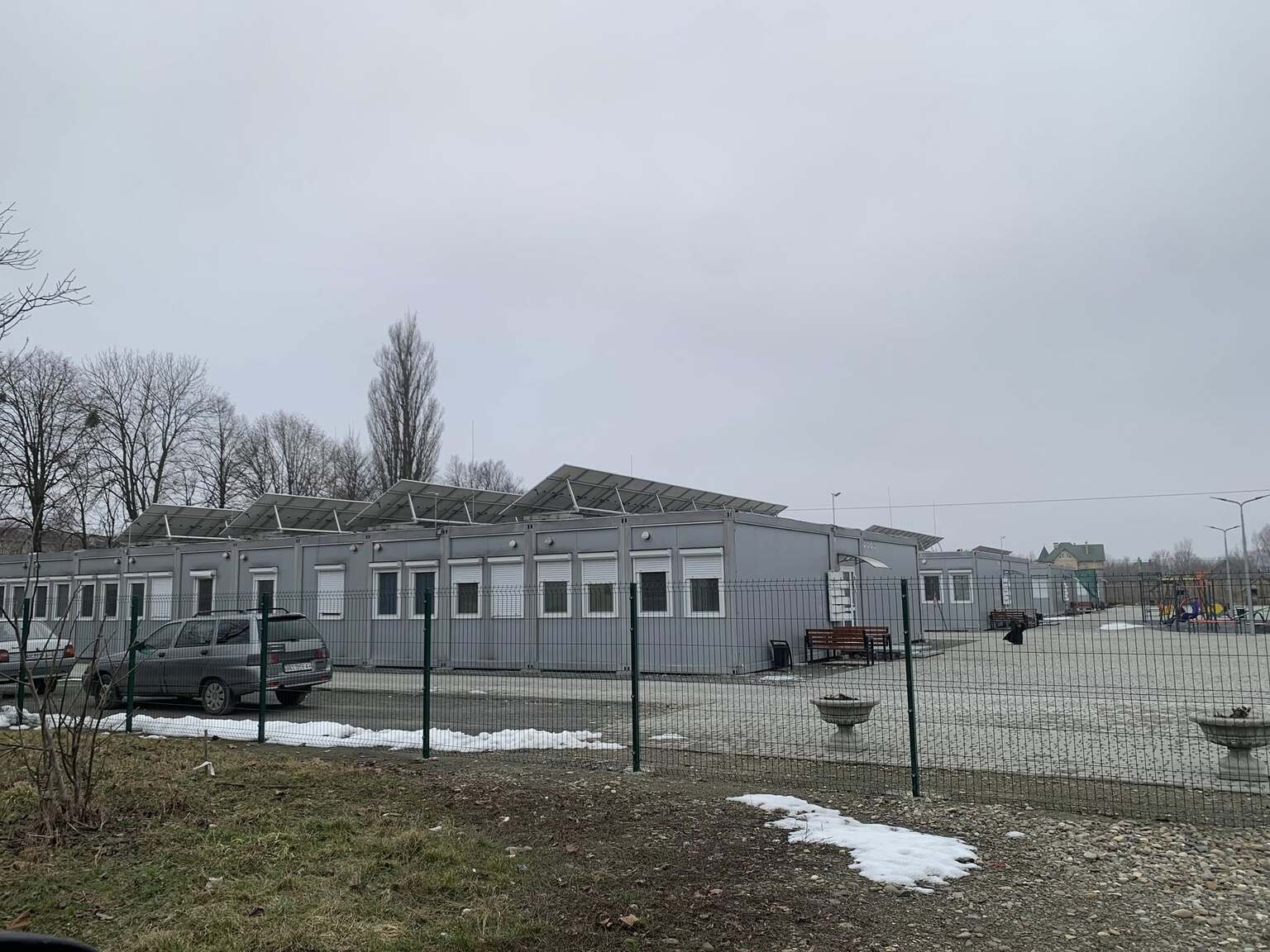
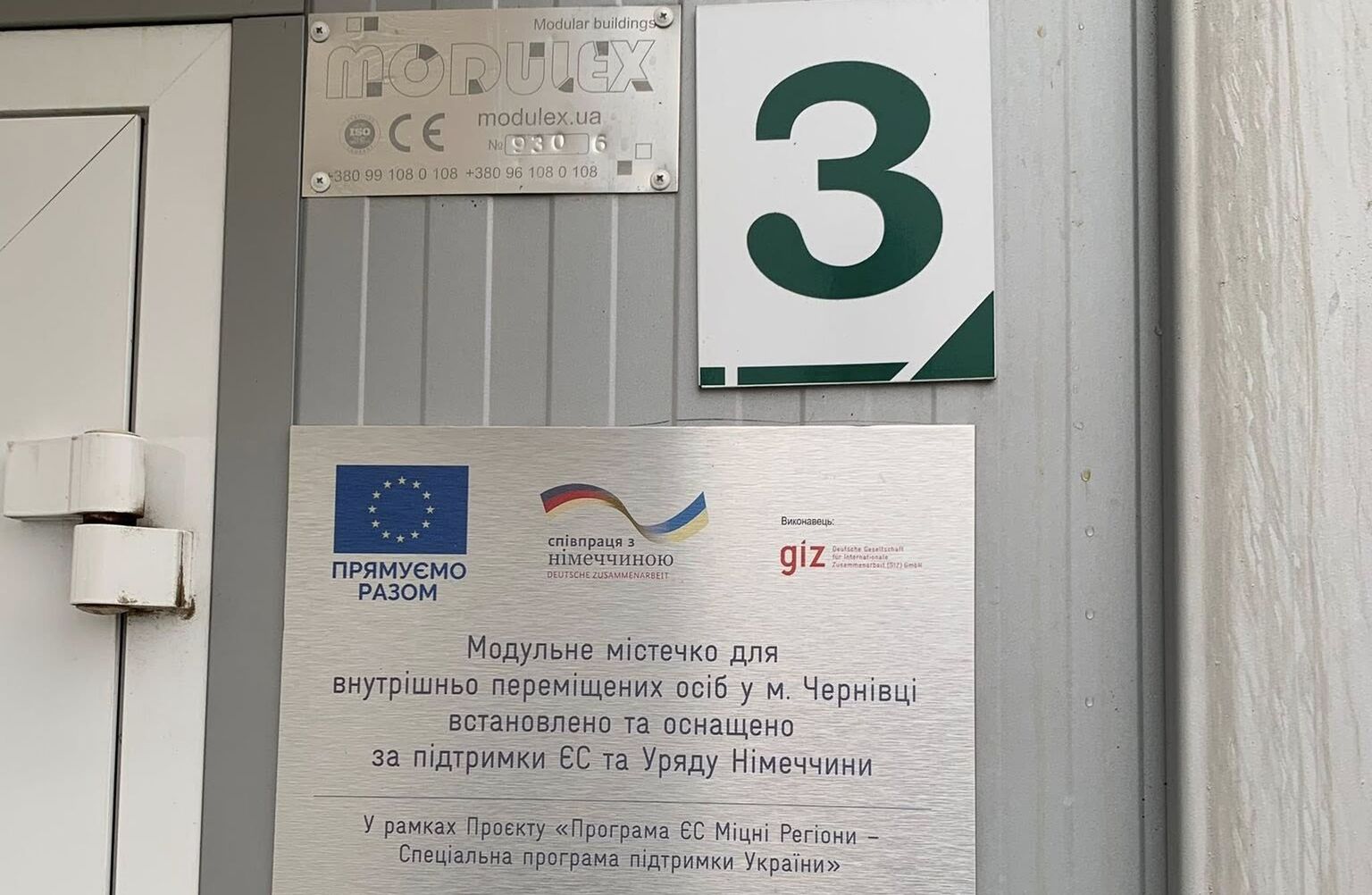
In another dormitory, after a fire, displaced people were relocated elsewhere. In a rural shelter, the atmosphere is welcoming, but there is no generator, and the well dries up in summer. In a modular town in Chernivtsi, capacity is large, but there are problems with equipment that either does not work or is not maintained. In a large dormitory in the city center, more than 360 displaced people live, many of them children, yet the building requires repairs.
In all cases, the same issue repeats itself: resources often exist, but systematic management and follow-through are lacking.
Suspilne report on this topic:
Public Reaction: A Painful Truth
After publishing information about the visit, we received hundreds of comments. This showed how deeply the topic resonates with people.
Unfortunately, in regions far from the front line, some people treat displaced persons with disdain. Generalizations and labels appear. There is a lack of empathy. At the same time, few consider that these people have lost their homes, jobs, and familiar lives. Not everyone can adapt quickly, especially the elderly.
It is important to understand: displaced people are not a “category,” but individuals. Among them are active and initiative-driven people who create order around themselves. There are also those who need longer support — as in any community.
Systemic Problems
Much depends on the position of local authorities. If a community truly wants to help, premises, resources, and solutions are found. If not, there are always reasons why it is “impossible.”
Responsibility for shelters is often shifted to directors of educational or medical institutions, who physically cannot ensure full management of housing for IDPs. Running a shelter is a separate area requiring its own budget and management.
International foundations have made a tremendous contribution. However, sometimes assistance is provided without considering further maintenance. Generators are not connected, there are no funds for fuel, solar panels are not put into operation. Without a systematic approach, even good aid loses effectiveness.
Why This Matters
Until relatively safe regions create sufficient dignified conditions, people in frontline cities will refuse evacuation. Because they do not know where to go — and whether there will be basic respect for their dignity.
This is not a question of “others.”
It is a question of what kind of society we want to be.
What the “Happy Child” Foundation Does
The “Happy Child” charitable foundation has been helping displaced people since 2014, and especially actively since 2022.
We:
- purchase equipment for temporary accommodation centers (boilers, washing machines, microwave ovens, electric stoves, and other necessary equipment);
- assist with evacuation in difficult circumstances;
- support large foster families of displaced persons from Zaporizhzhia region;
- organize hikes in the Carpathians and trips across Ukraine for displaced children — so that their lives include not only survival, but also development and joy.
And all this is possible solely thanks to your support.
We report transparently on every donation since 2007.
How to Support
You can support the foundation’s projects via the following link:

Thanks to your support, we will be able to purchase necessary equipment for shelters and organize rehabilitation trips for children.
Together, we can do more — and turn formal “bed spaces” into dignified living conditions.