Organizing tourist activities of the "Klubok" for children from frontline Zaporizhzhia is becoming increasingly difficult. But this only strengthens our motivation to help children take a break from constant air raids and shelling in the Carpathians, switch their attention, and gain new experiences in the mountains.
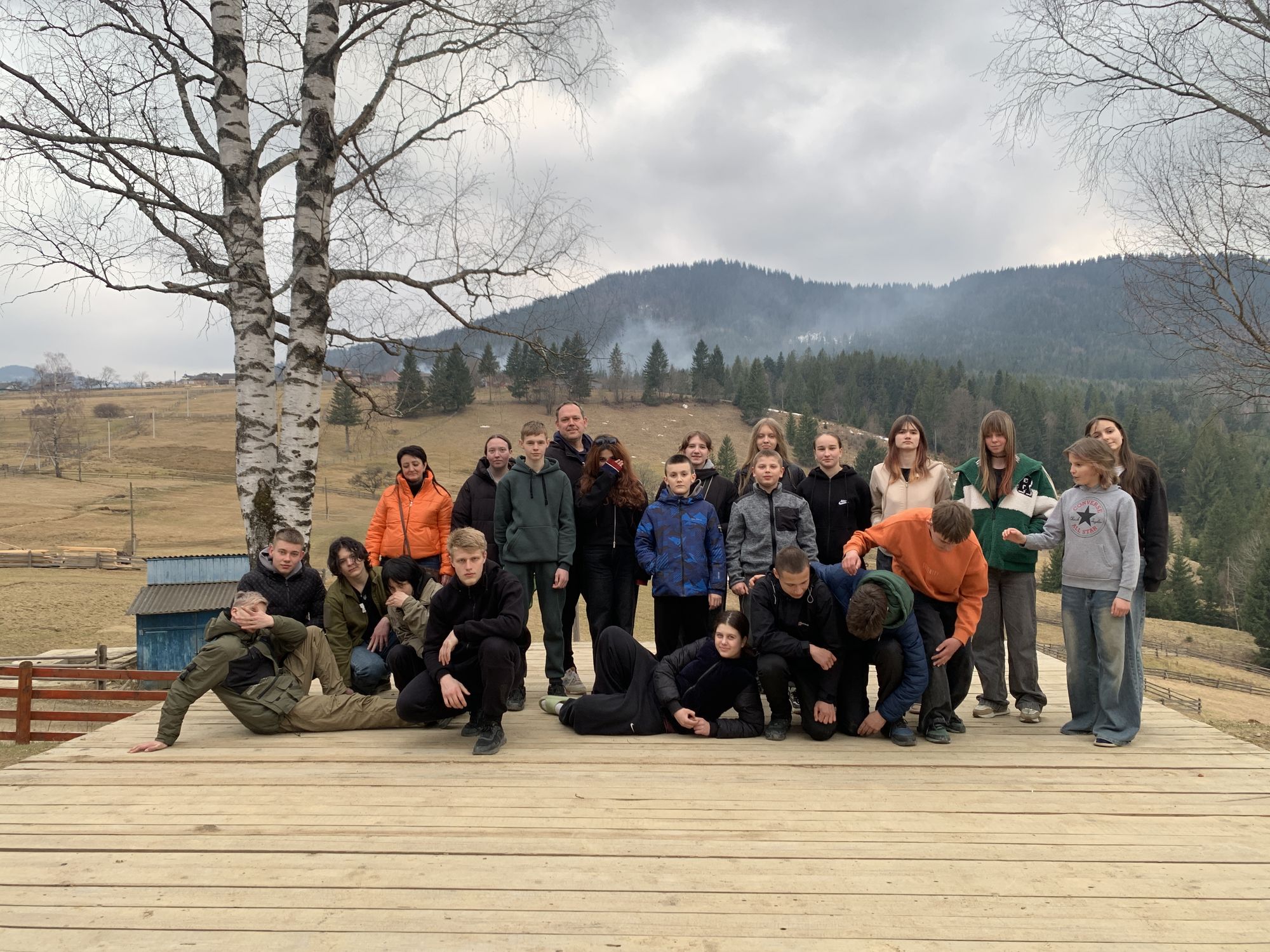
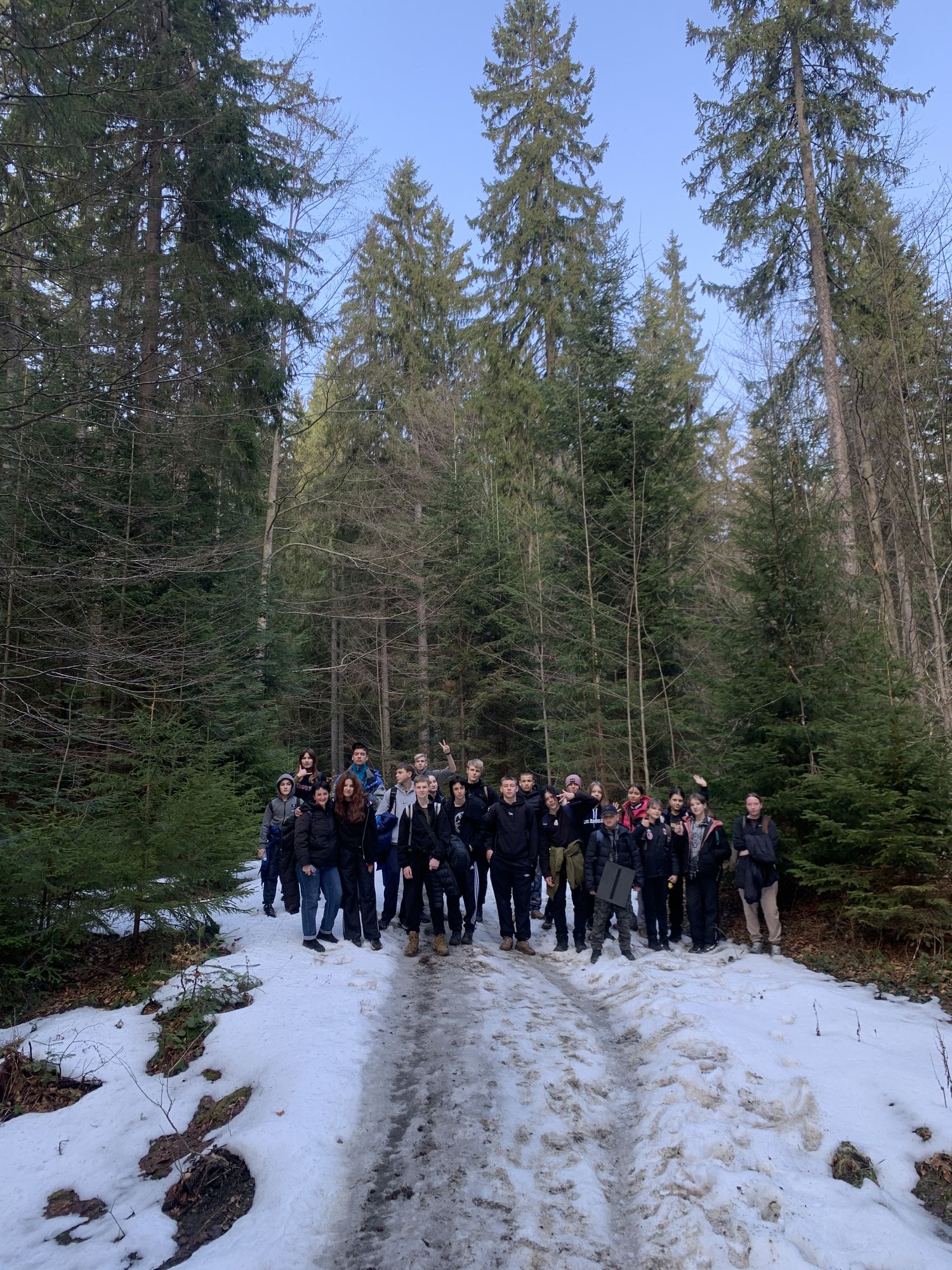
Thanks to the support of Eric, Janice, Dave from the USA, Hanna from Zaporizhzhia, and other donors, we organized a trip for 21 children from Zaporizhzhia to the Bukovynian Carpathians, to a base at a school in the village of Samakova. For children from a frontline city, this was a completely free event.
Purchasing train tickets under current conditions was not easy: the destination and departure points changed several times, trains changed schedules due to shelling. Only a few days before departure, our group booking to Ivano-Frankivsk was confirmed, although we initially planned to travel to Chernivtsi.
Fortunately, the situation during departure from Zaporizhzhia was calm. During the journey, a missile attack occurred in Ukraine, but our train arrived in Ivano-Frankivsk on time.
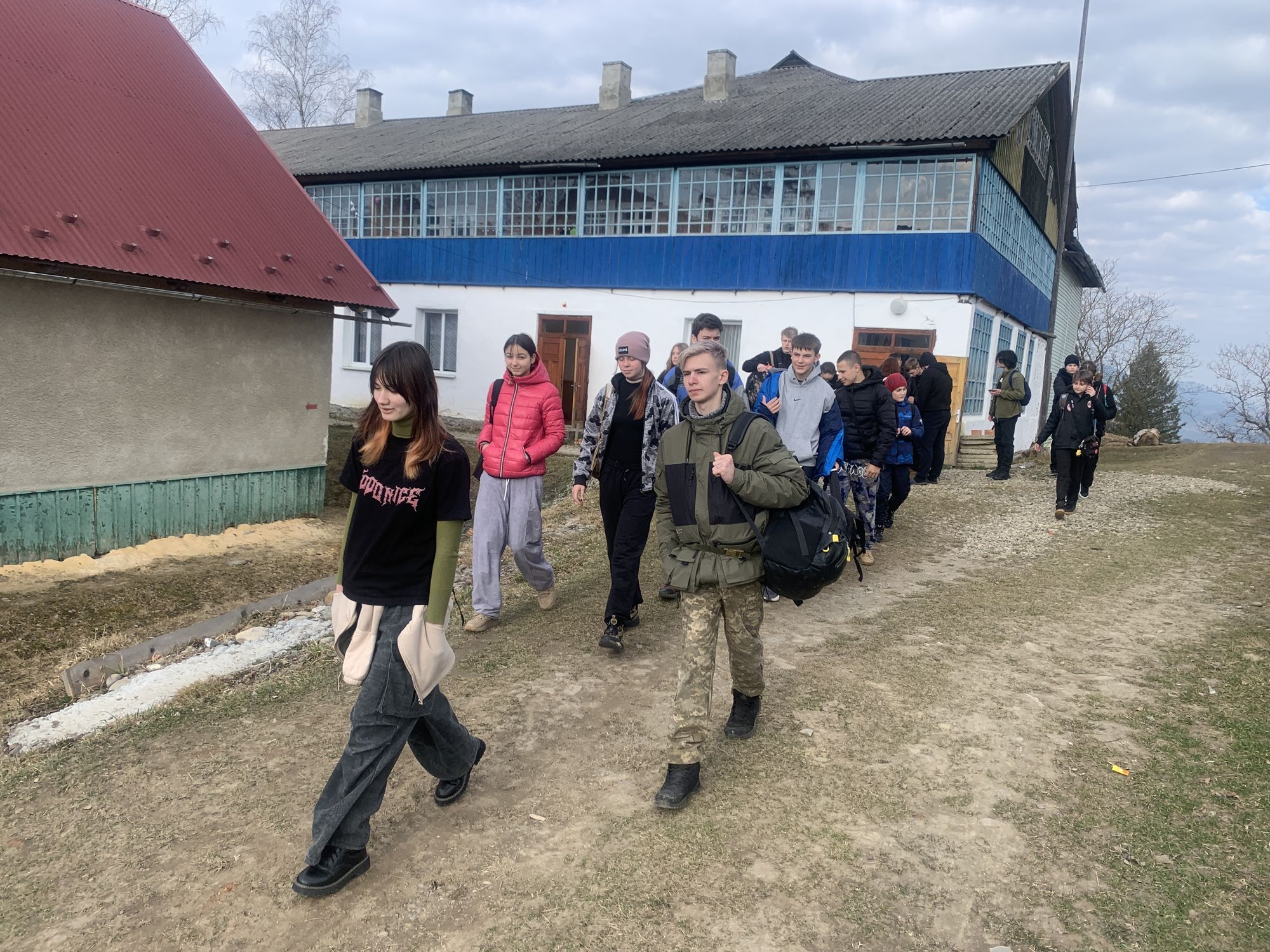
The children walked around the city center, climbed the town hall, and viewed the city from above. They had a tasty lunch and snacks at McDonald’s (important for them, as such places do not operate in Zaporizhzhia). Then we continued a long bus journey through Vorokhta and Verkhovyna to the village of Samakova — into the heart of Bukovynian Hutsul region. The last 16 km were on a dirt road along the White Cheremosh River. Finally, we reached the tourist base at a local school located at 850 meters above sea level.
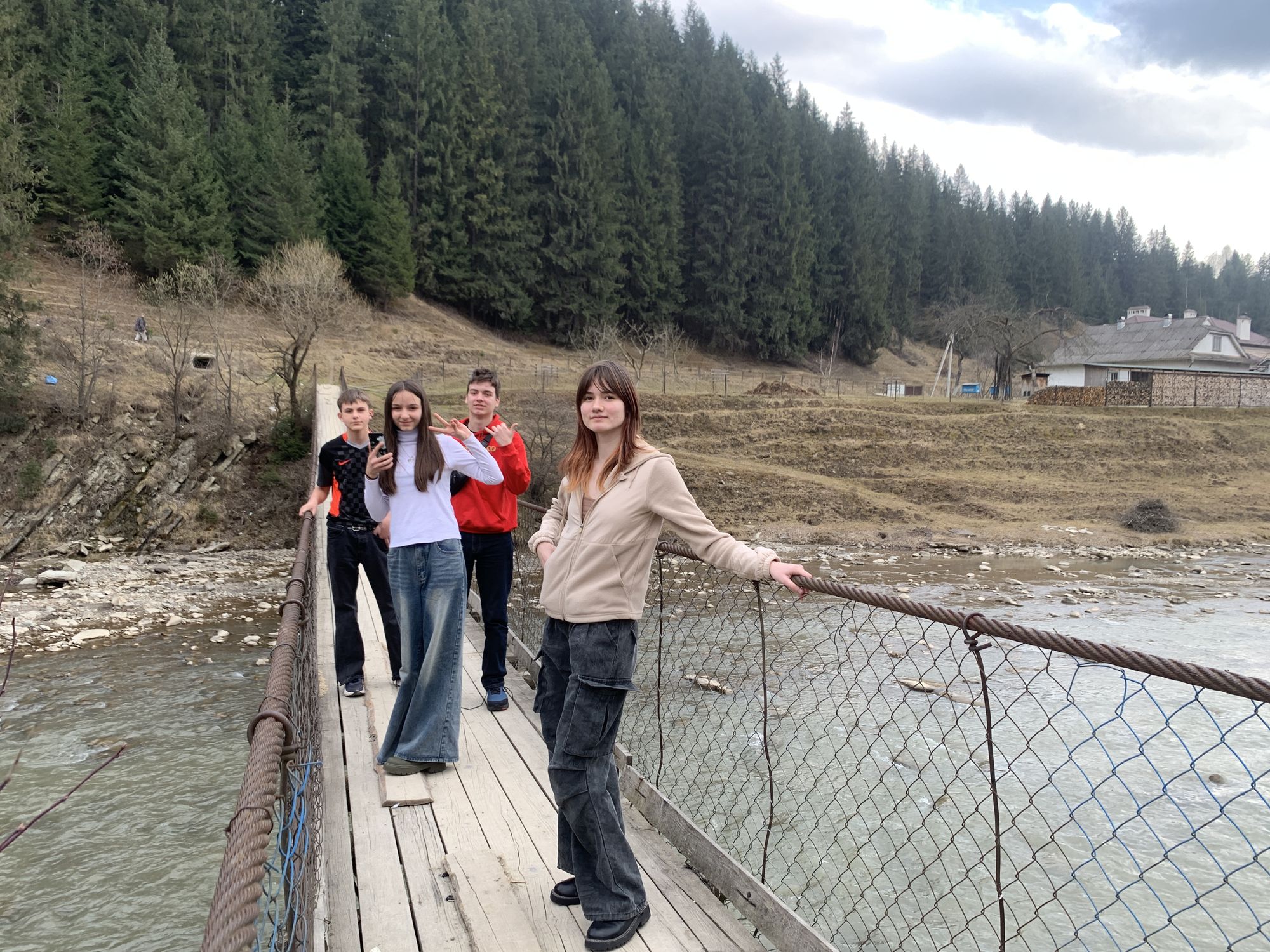
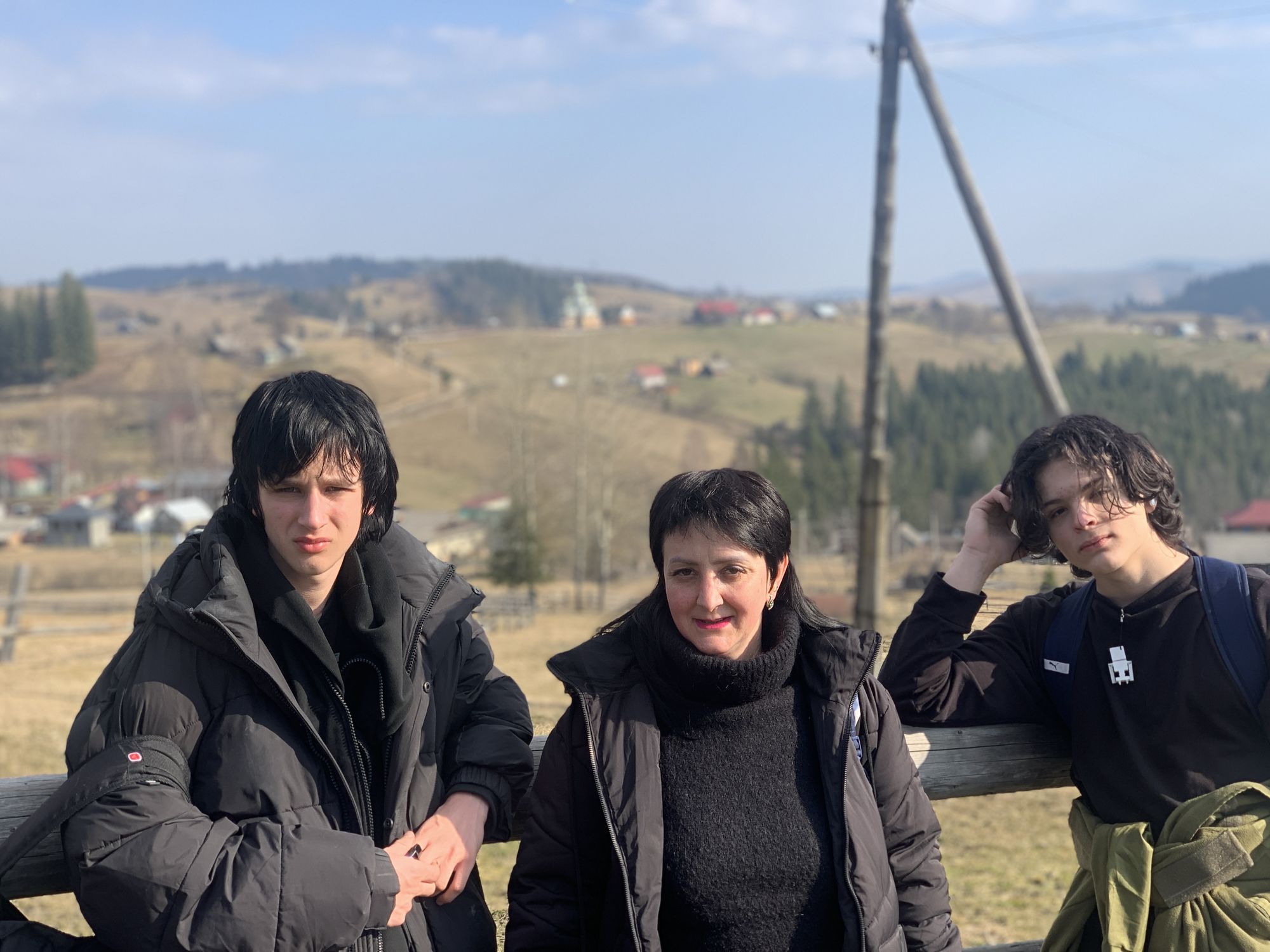
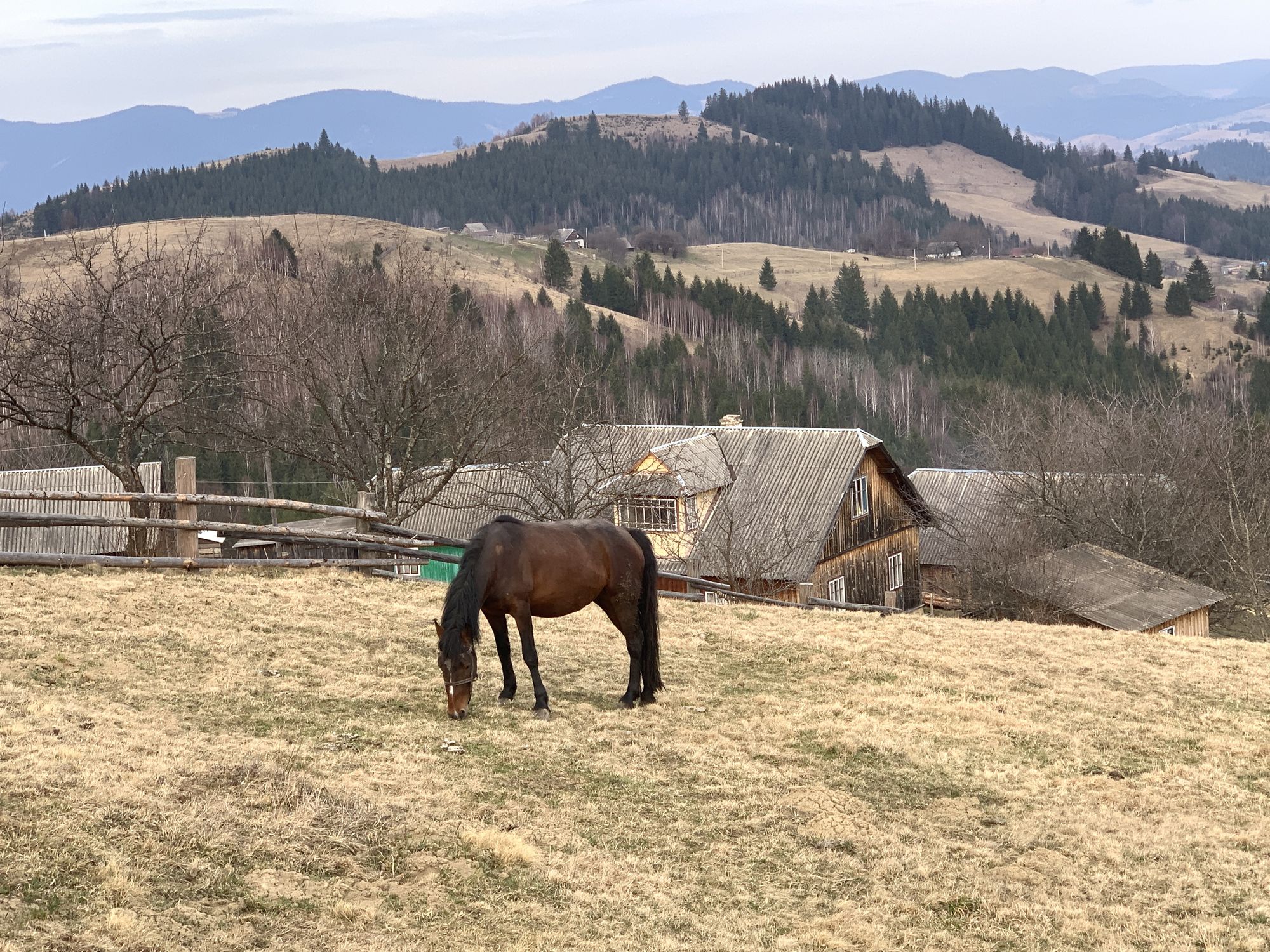
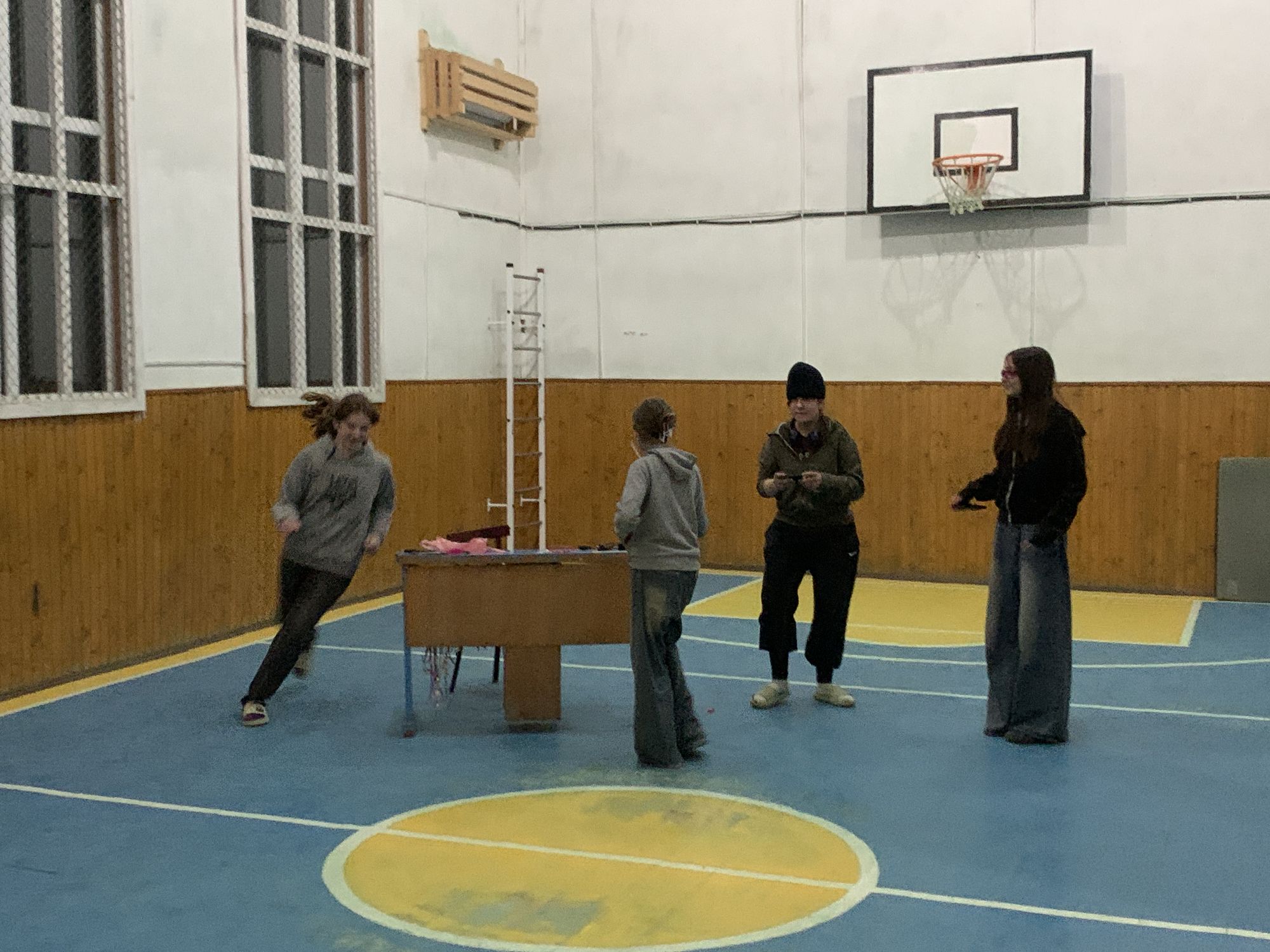
Our tourist “Klubok” had already organized trips to this base twice last year. Thanks to the “Saigon” sports club, accommodation and meals here are quite affordable. There is also a sports hall and a football field nearby. Despite the remoteness, there are two shops where you can pay by card and a souvenir shop. The village itself is very picturesque, with several interesting hiking routes and an authentic view of Hutsul life.
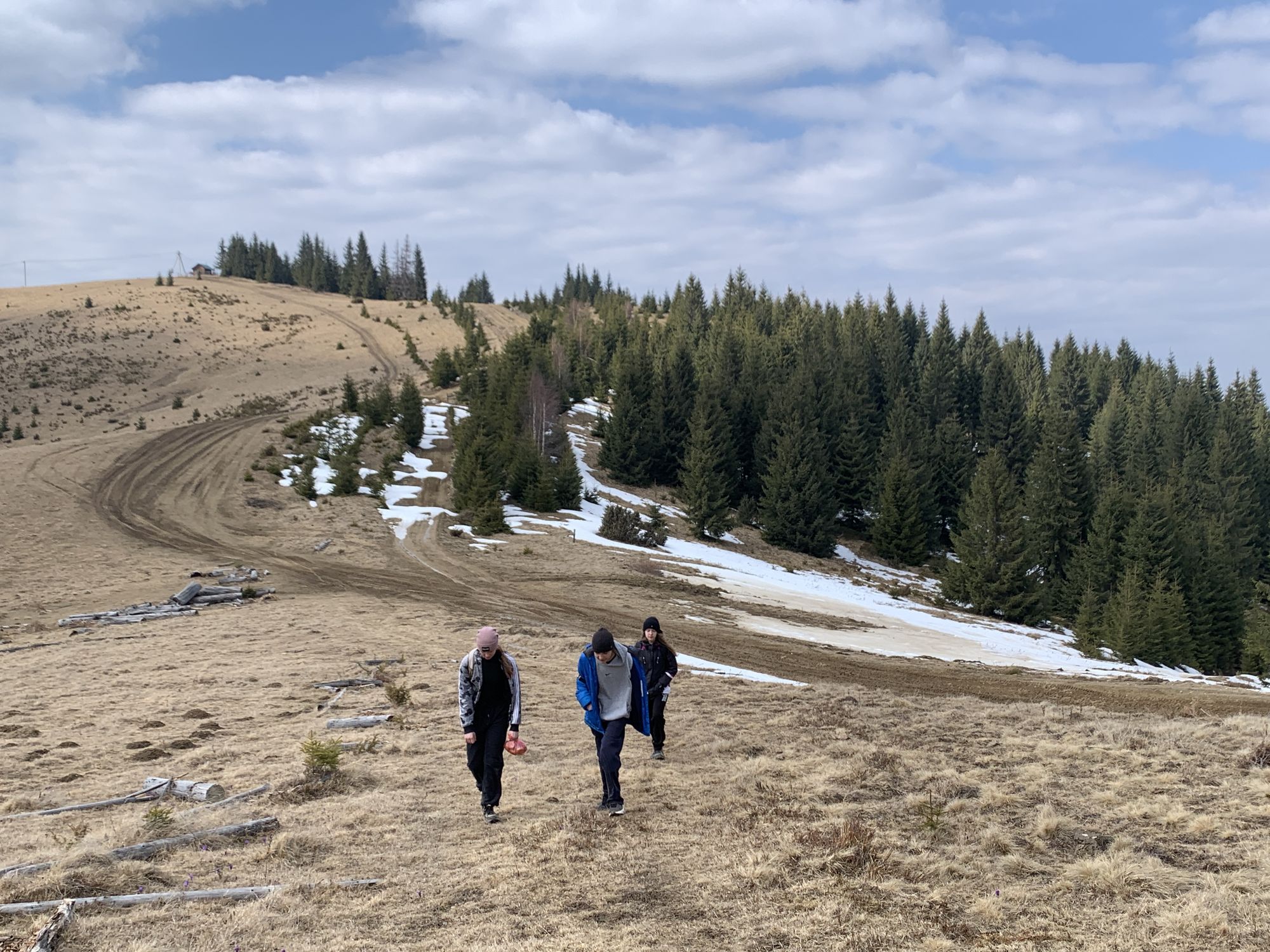
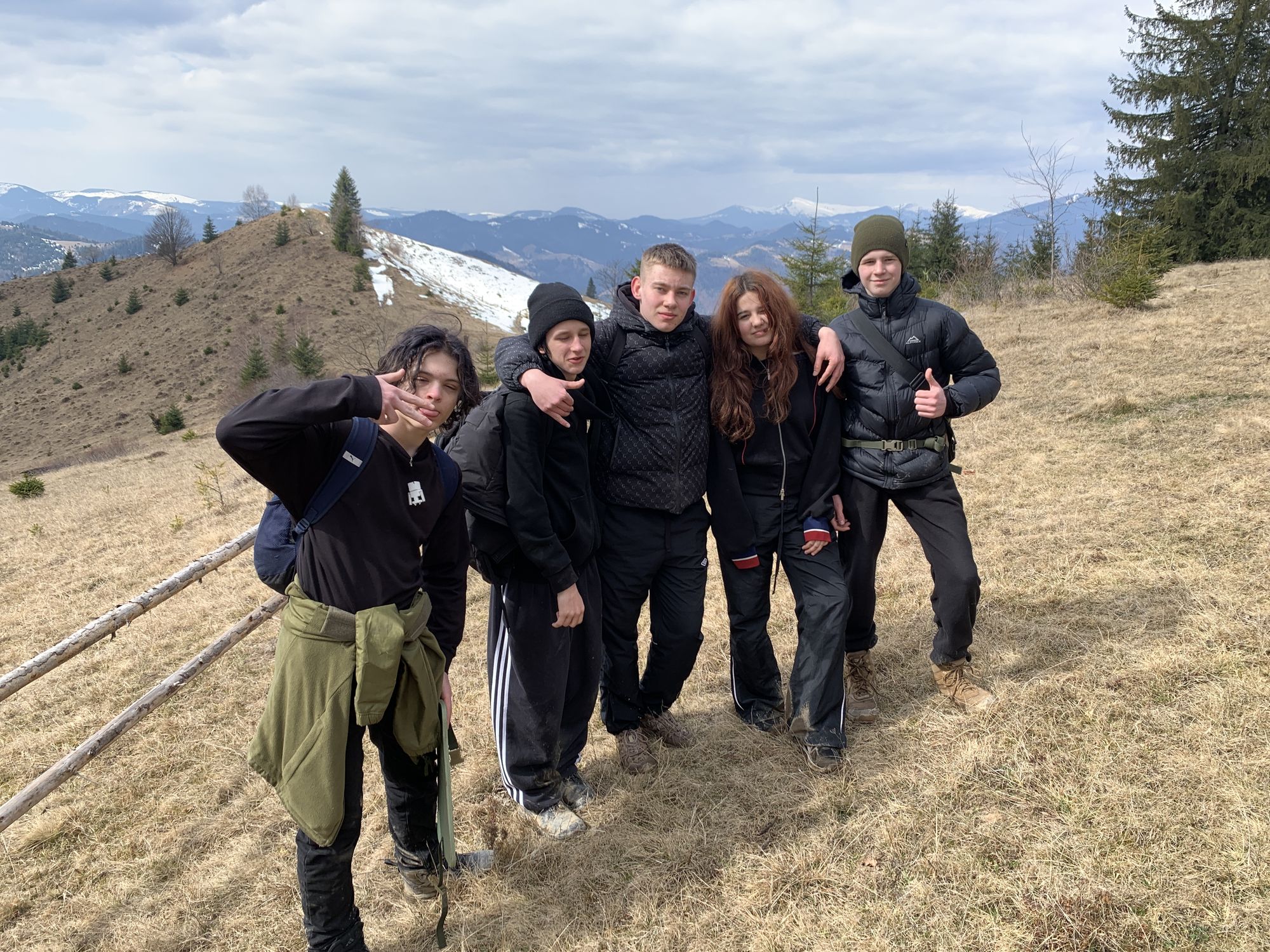
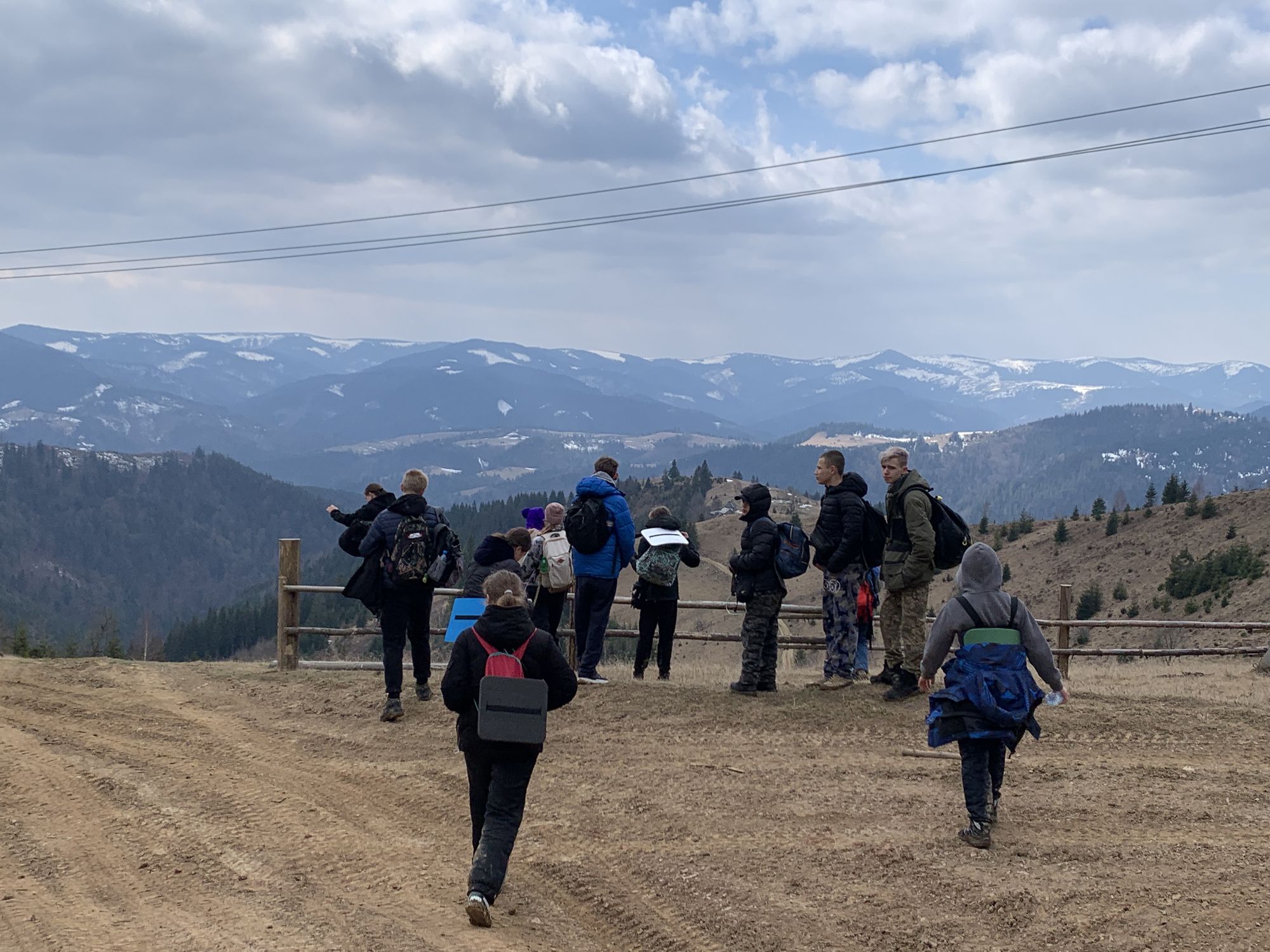
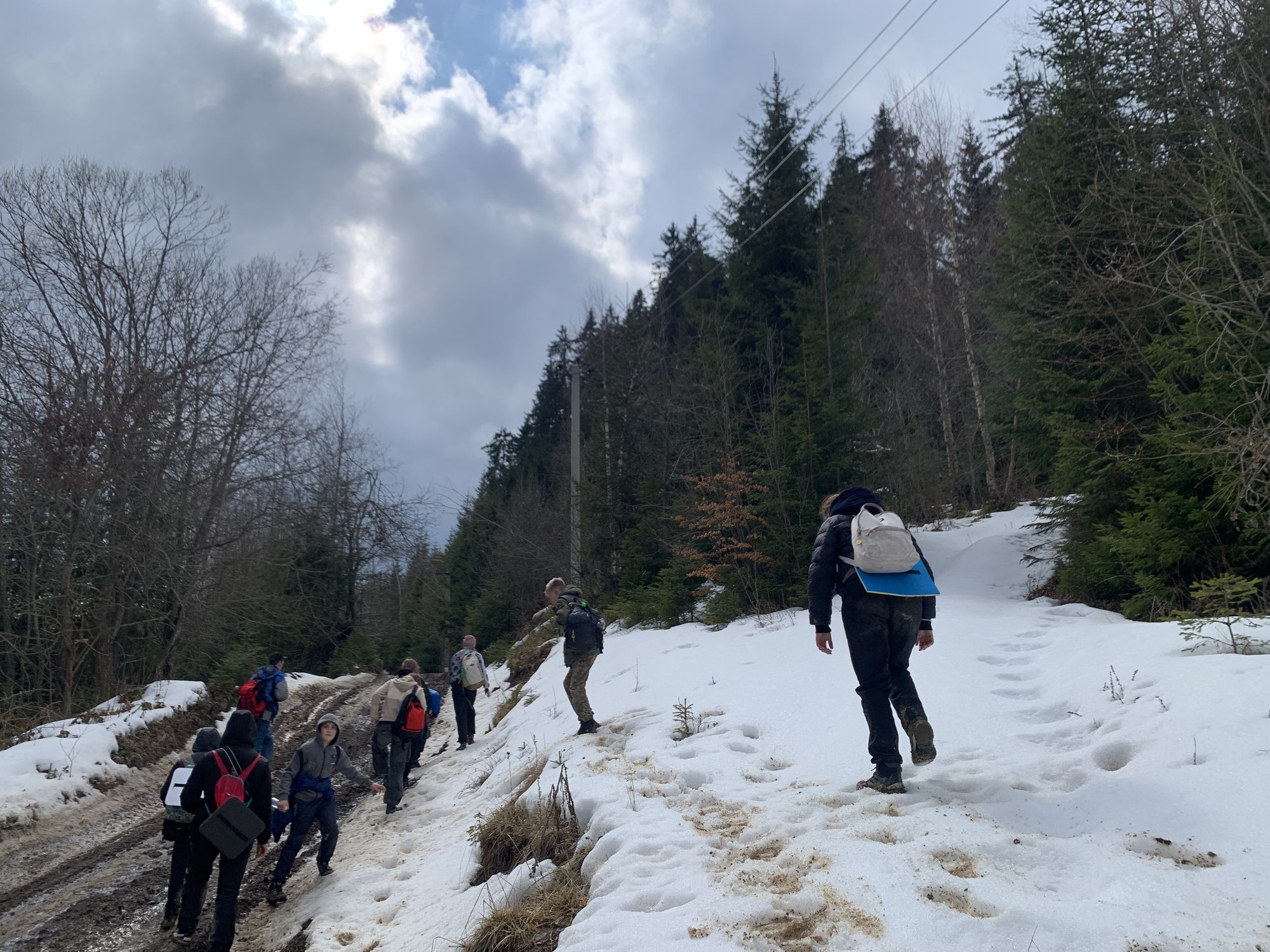
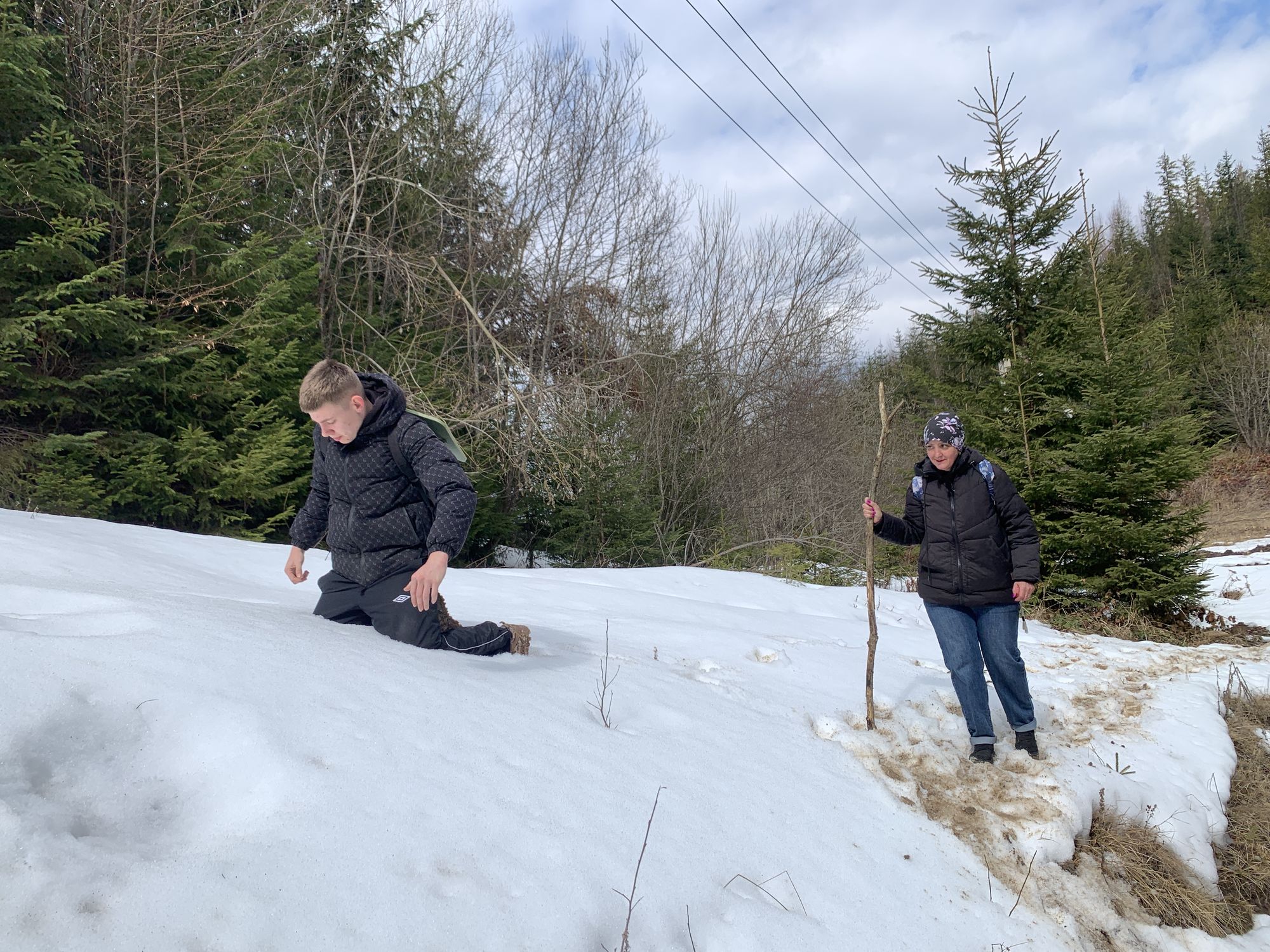
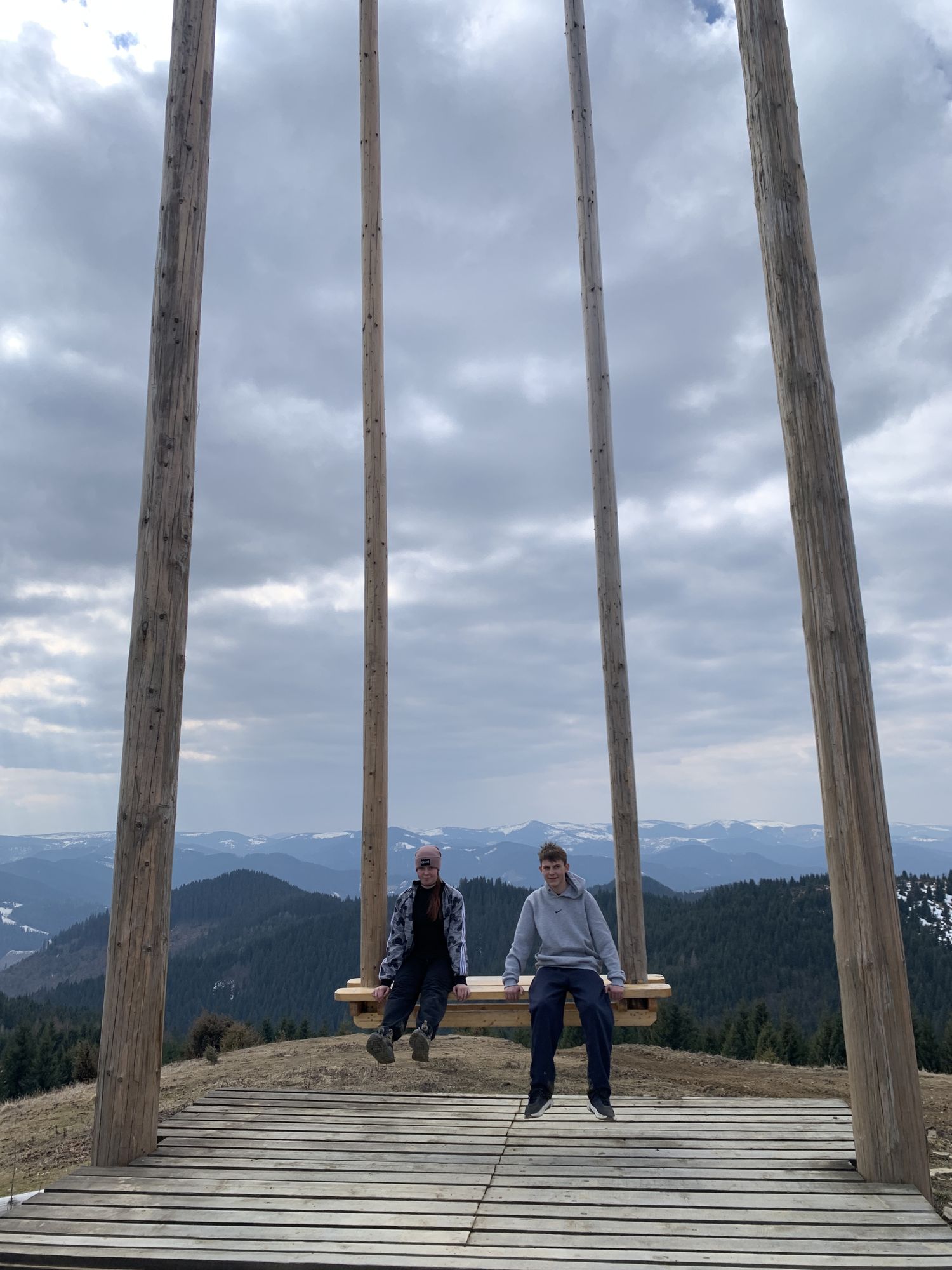
The next day, we went hiking to the Maksymets ridge and Baikalivka meadow, where a large Carpathian swing and carousel were recently installed, and a kolyba hut was built. The hike was challenging: spring in the Carpathians means mud, deep snow, and many flowers at the same time.
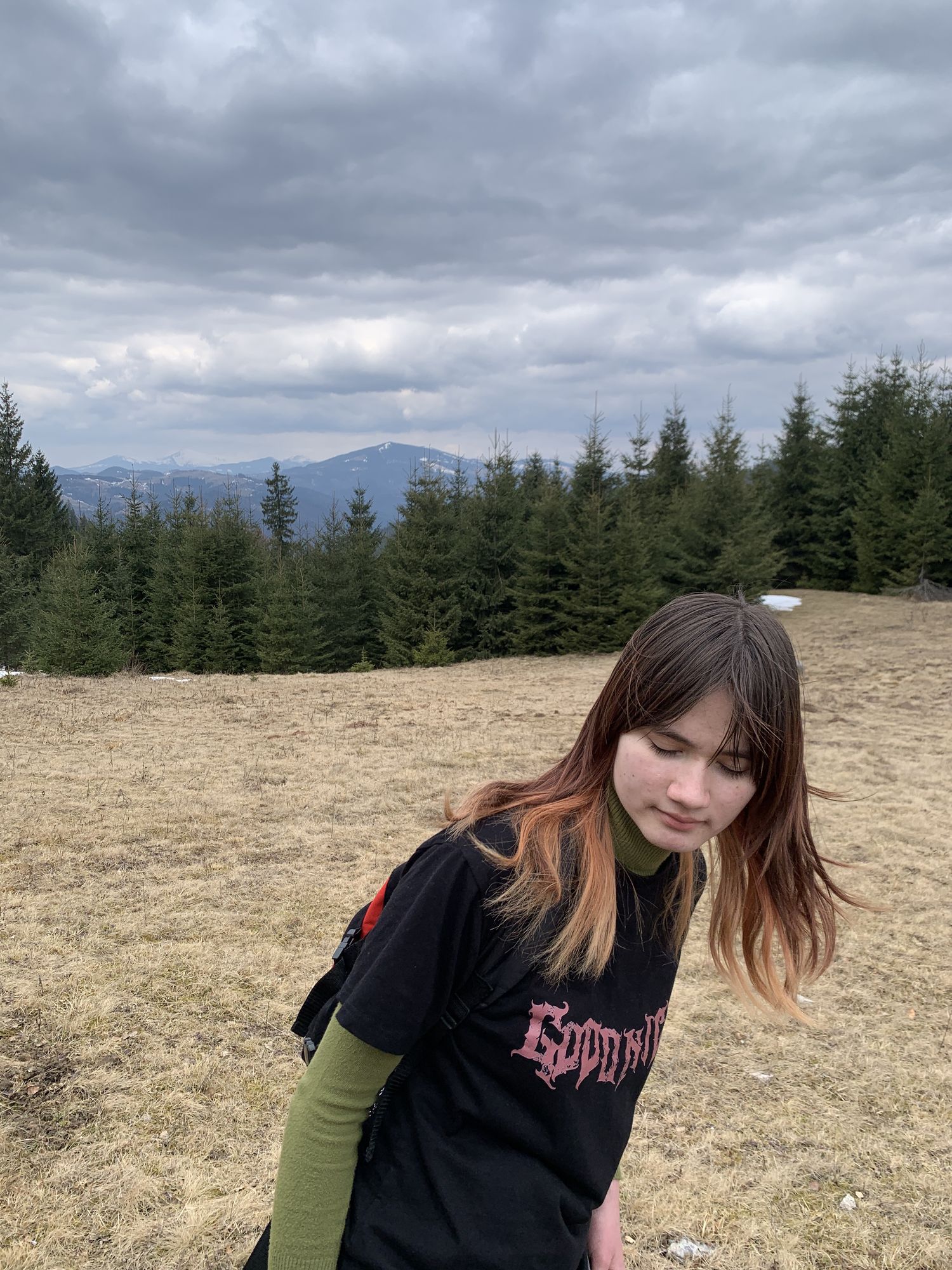
After reaching the ridge, we rested, took photos, and had a snack. Part of the group returned, while 14 of the most resilient continued about 5 km further. From there, stunning views of the Chornohora ridge open up: Pip Ivan with the observatory first, and from Baikalivka meadow — Hoverla. In winter and spring, the ridge is snow-covered, and in summer you can watch the sunset behind Chornohora.
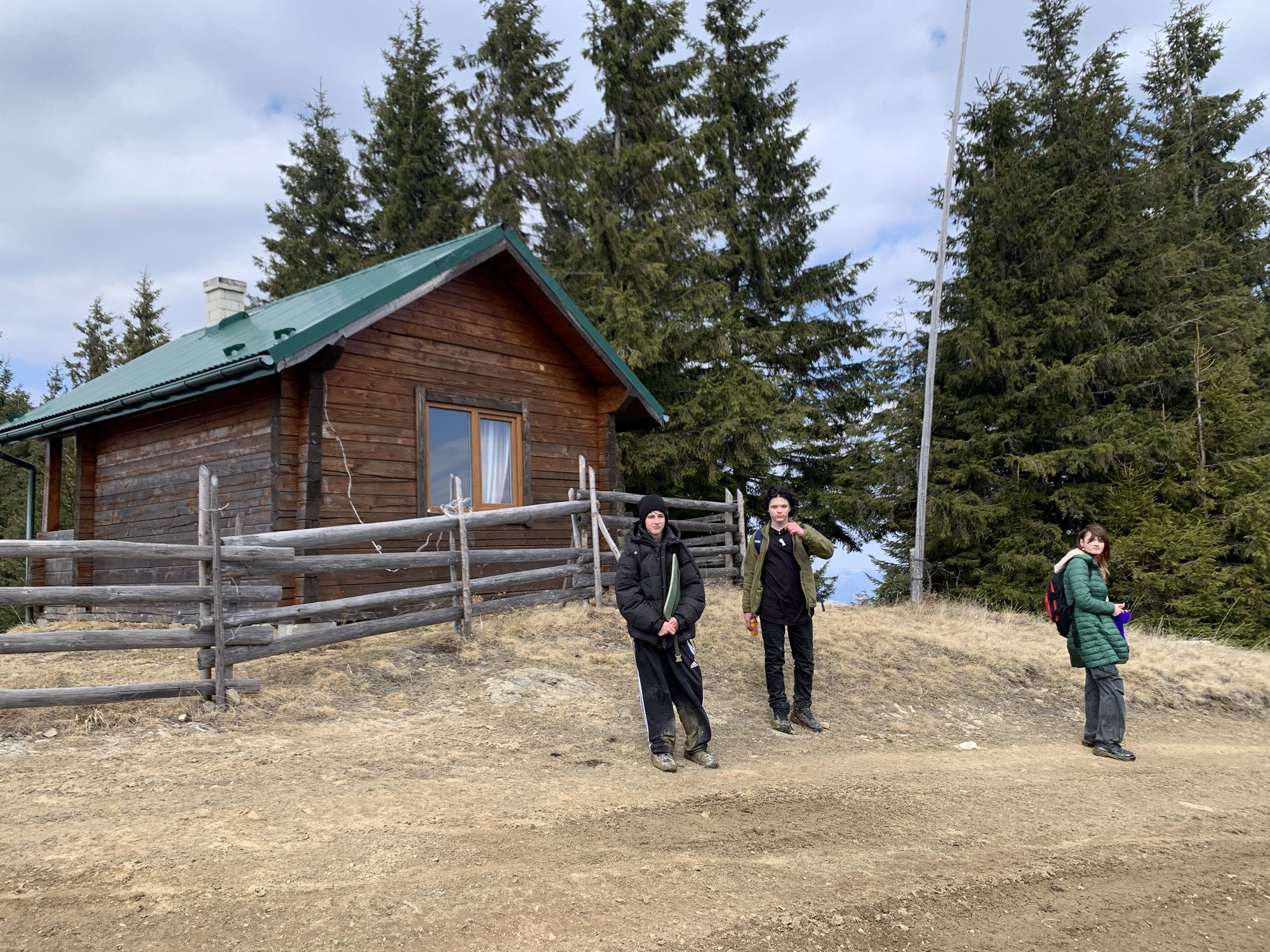
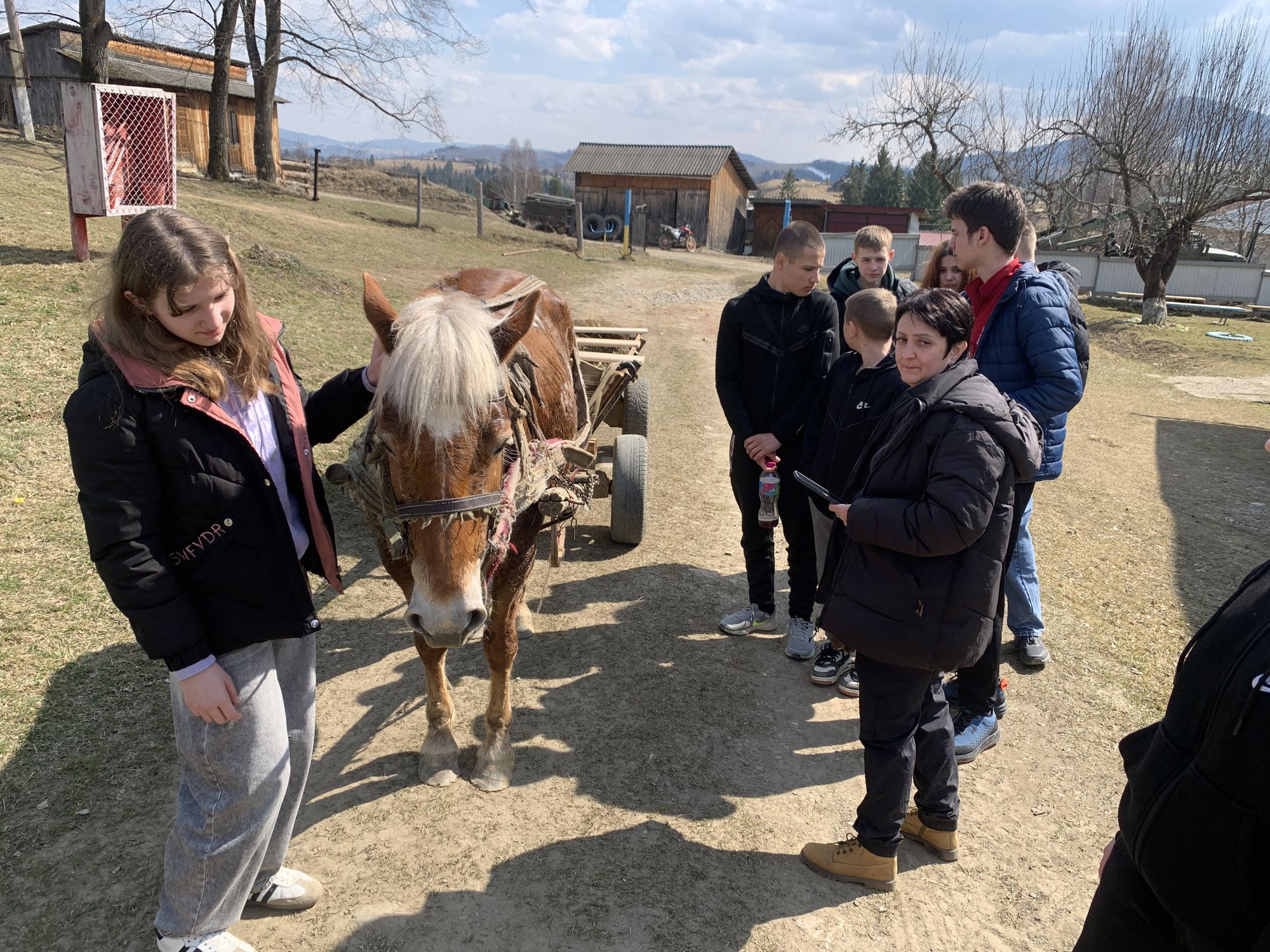
We planned to cook barbecue near the swings, but due to the late hour, we decided to descend. On the way, we visited shepherd huts and learned about their daily life. It looks picturesque, though sometimes not very tidy.
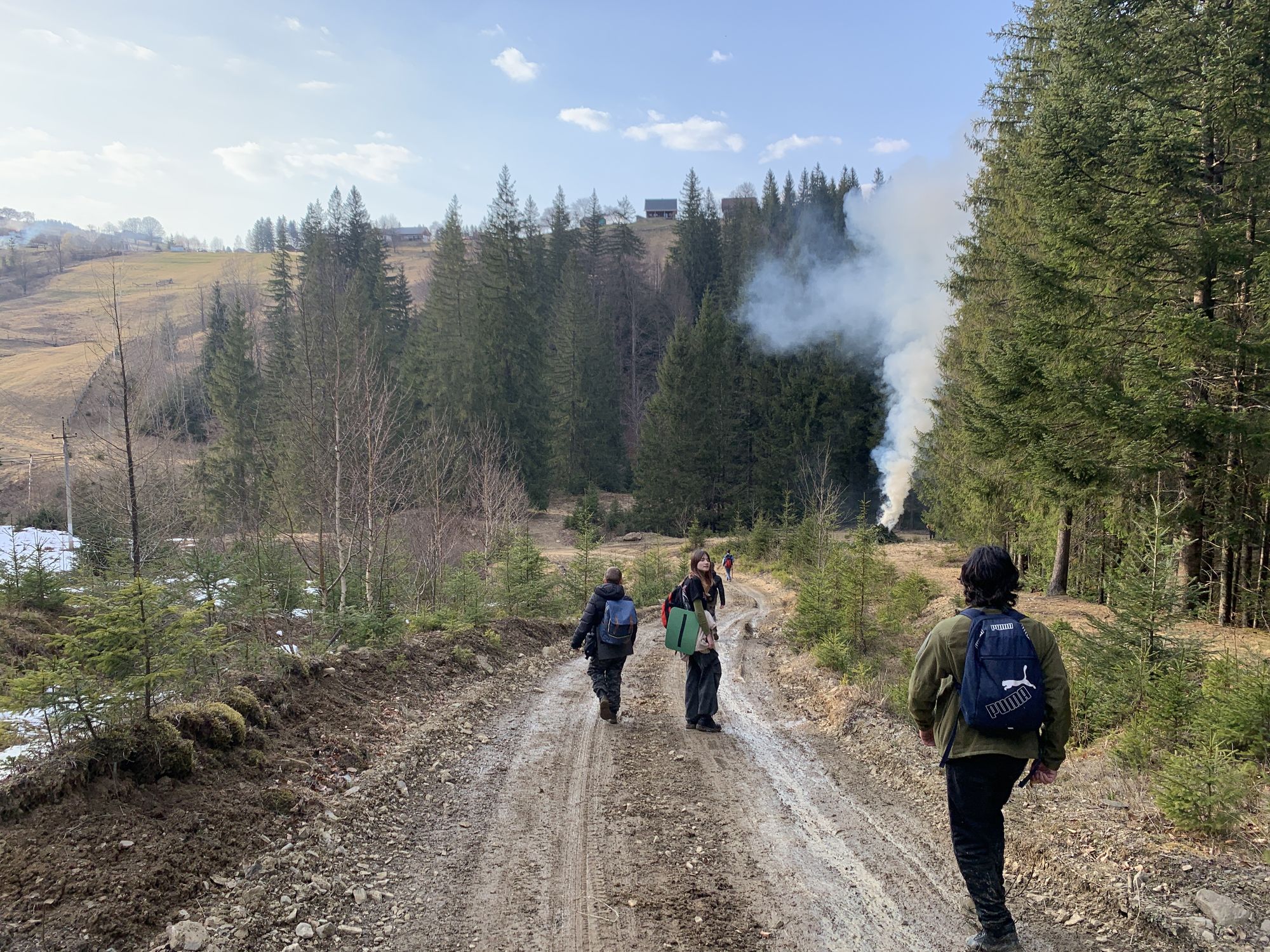
The return journey was also challenging: about 9 km through forest trails and snowy clearings. Part of the route had to be walked directly along a stream. Many got their shoes wet, but the warm weather prevented any problems.
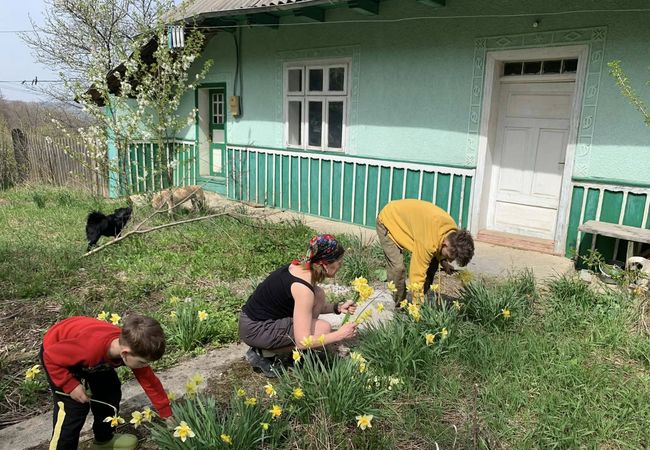
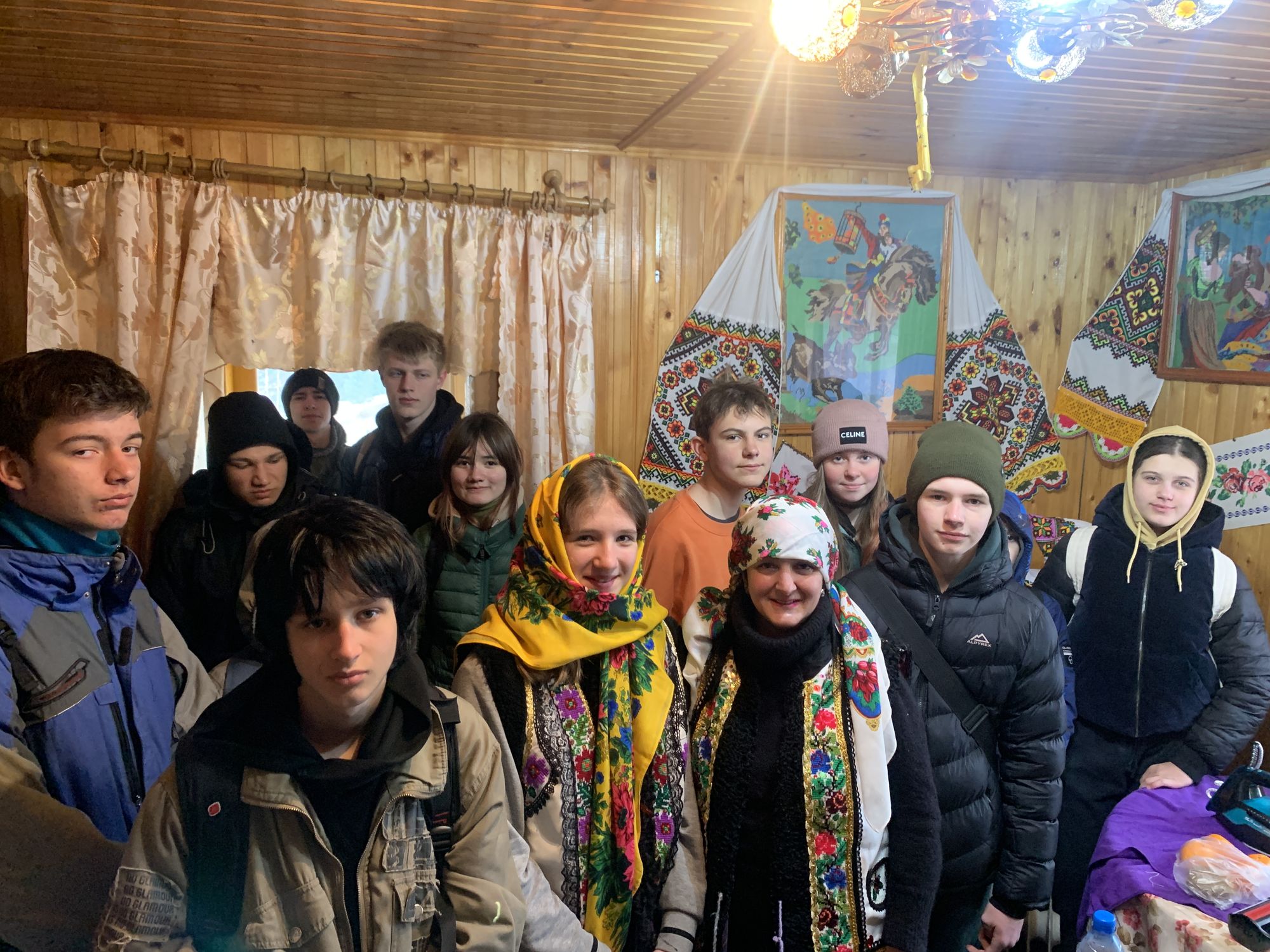
In the following days, we explored the surroundings, played football and volleyball, visited a traditional Hutsul house, and met a 90-year-old local resident.
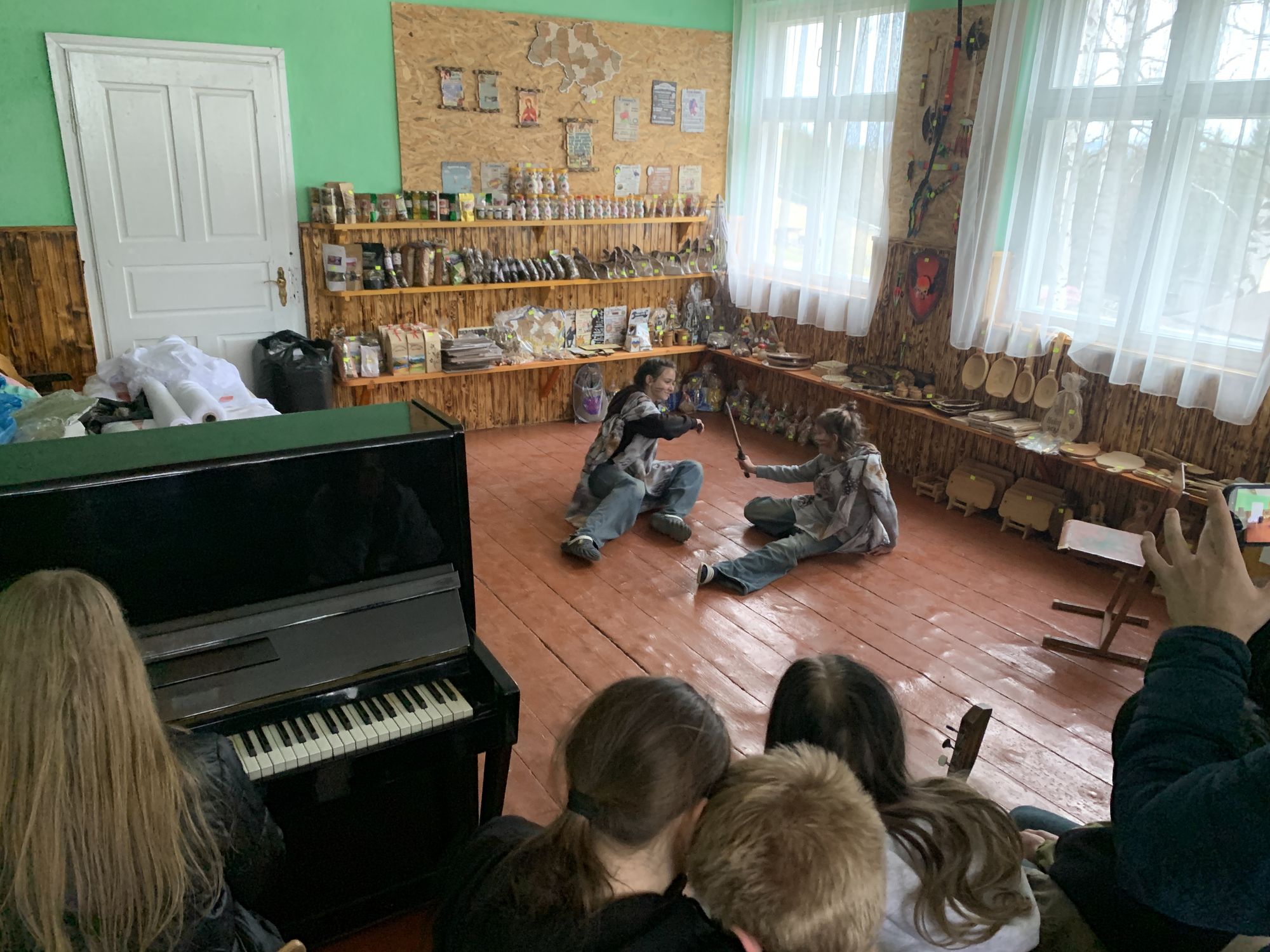
On the last day, children showed their creativity: playing piano, singing, acting, and sharing hobbies. Every evening, thanks to Taras and the “Saigon” club, we cooked delicious meals over a fire.
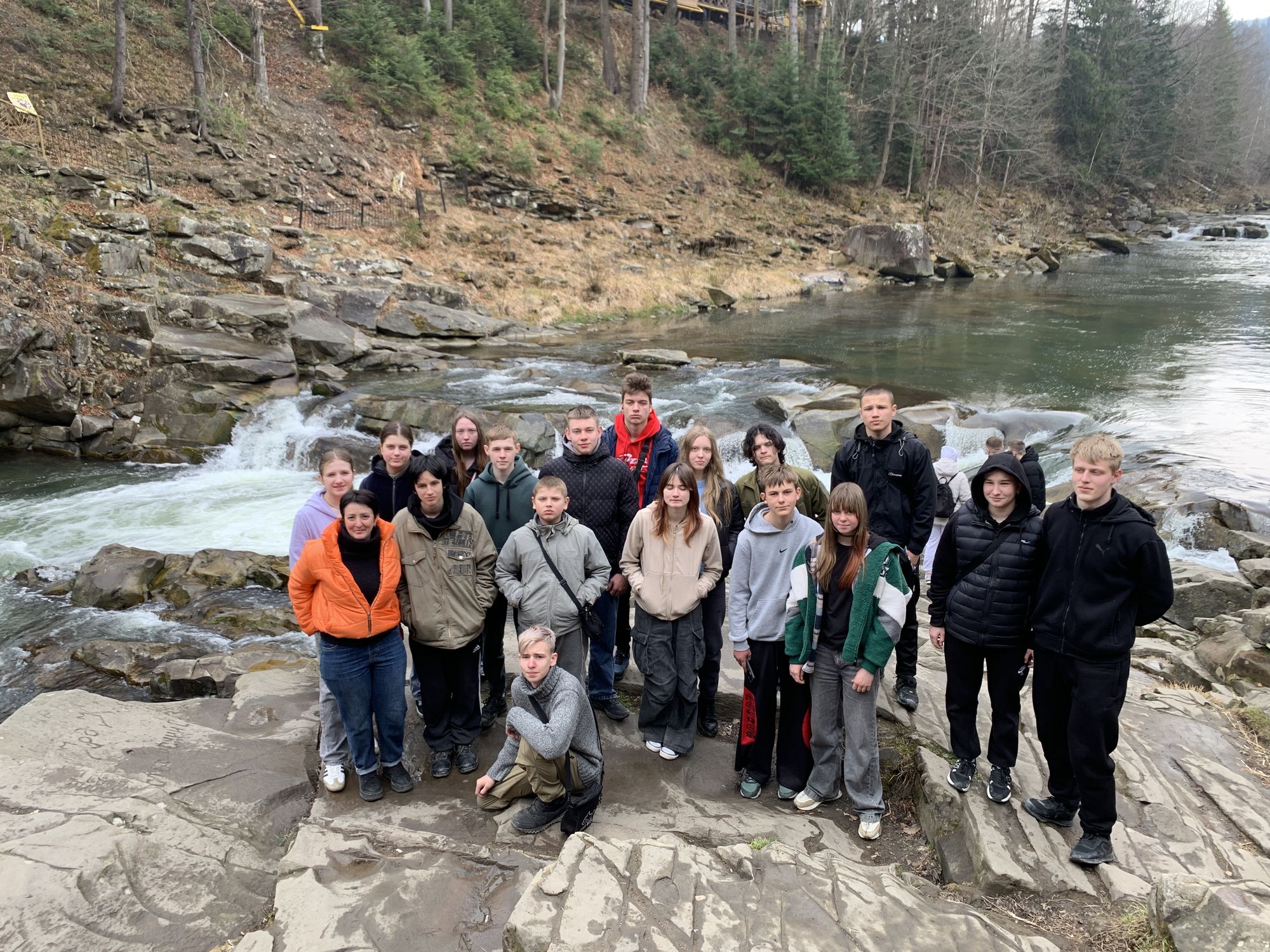
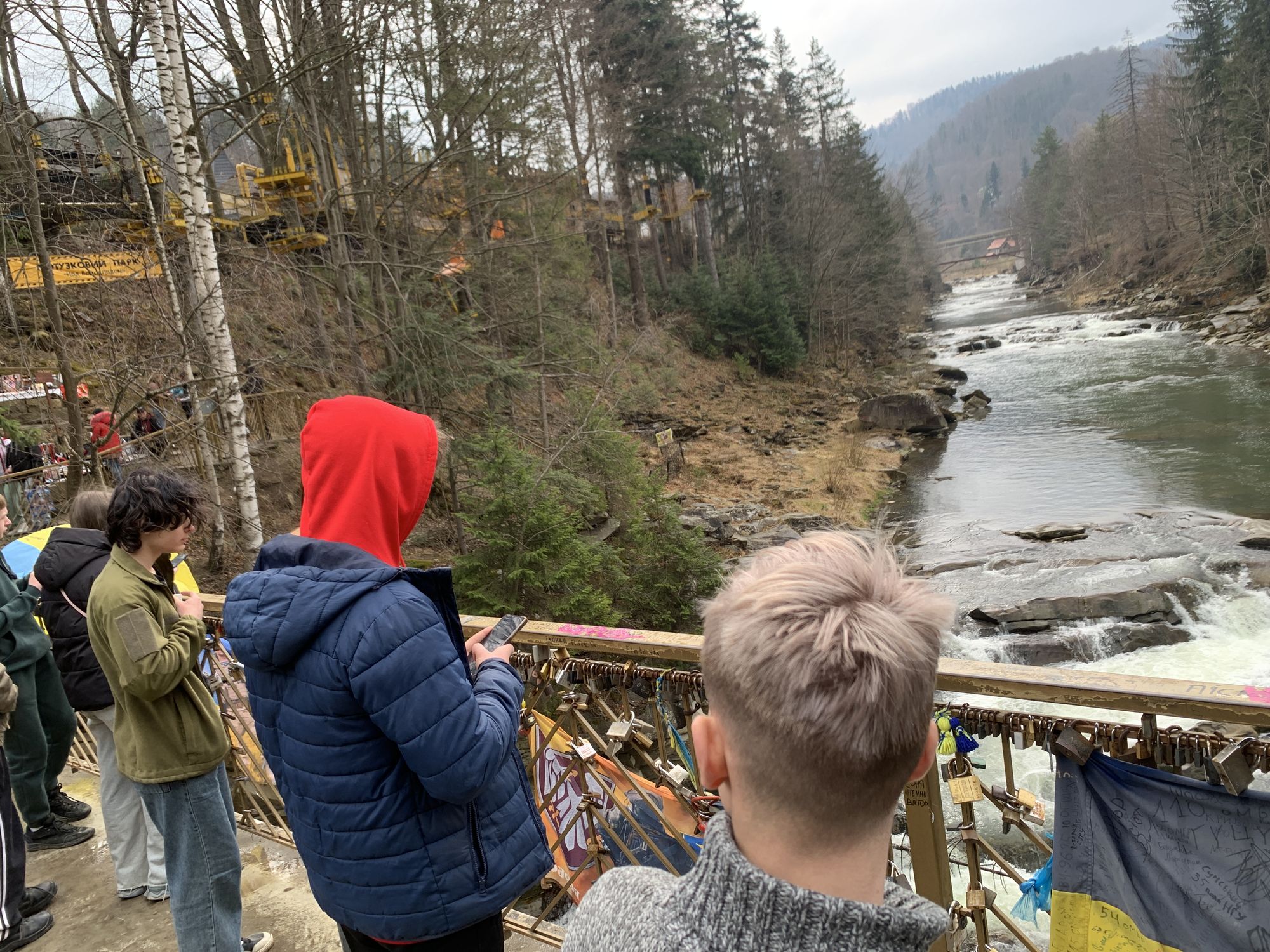
On the way back, we also visited a waterfall near Yaremche on the Prut River.
For children, such trips are among the brightest experiences in life. Many saw mountains for the first time or made new friends. These trips provide real-life learning experiences.
In 2026, we plan more trips to the Carpathians, including hikes (like Hoverla) and excursions for displaced children in Chernivtsi region. We are also developing the “Klubok House” — a small base near the mountains.
We ask for your support. You can sponsor a child, help with transport, or provide materials. Information support is also important.
Contact us: +38 066 513 34 35 (all messengers, Albert)
Make a financial contribution: