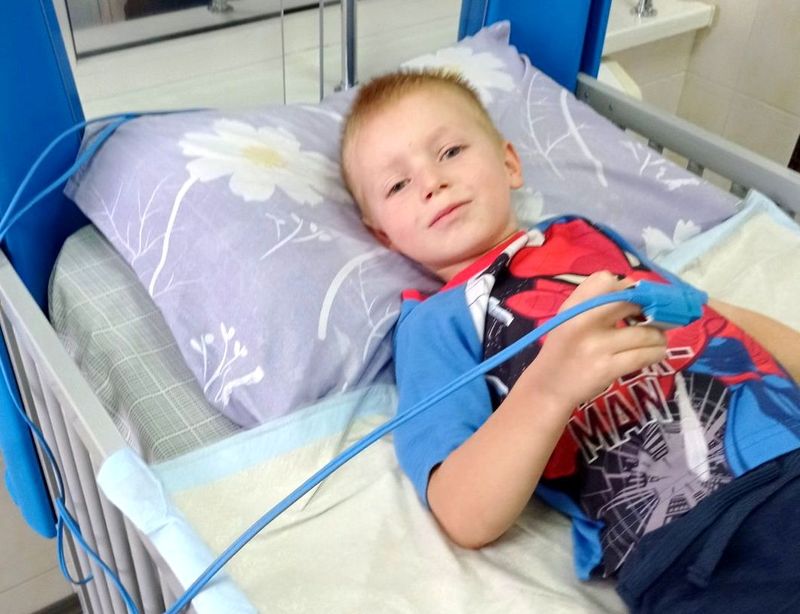
Dmytro Shybaiev, born September 21, 2021
Diagnosis: Type 1 diabetes mellitus.
Specialist consultation report
Report on donations received and spent
Dima is only four years old. He does not yet understand why there are suddenly so many injections in his life, why his favorite treats have disappeared, and why restrictions have taken their place. Dima has diabetes, and he is just learning to live with this diagnosis.
At the beginning of September, the boy was taking medicine in the form of a syrup. His parents noticed that Dima started drinking significantly more water. After an examination, it turned out that his blood sugar level was almost four times higher than normal, and the child was urgently hospitalized. In the hospital, he was diagnosed with type 1 diabetes. This is an incurable chronic disease that requires lifelong insulin administration.
Dima's parents had to master many new things in a very short time: understand the types of insulin, learn how to use a glucometer, count carbohydrates, and keep a diary. The family is getting used to a new rhythm of life — with constant monitoring of glucose levels and increased attention to nutrition.
Today, modern technologies exist to make life easier for people with diabetes. In particular, a system for continuous and painless blood sugar monitoring: a small sensor is attached to the shoulder and transmits readings to an app on a smartphone. Instead of pricking a finger up to 10 times a day, it is enough to change the sensor once every two weeks. There is also an injection port — an alternative to painful insulin injections. It allows only one puncture every three days, significantly reducing pain and stress for the child.
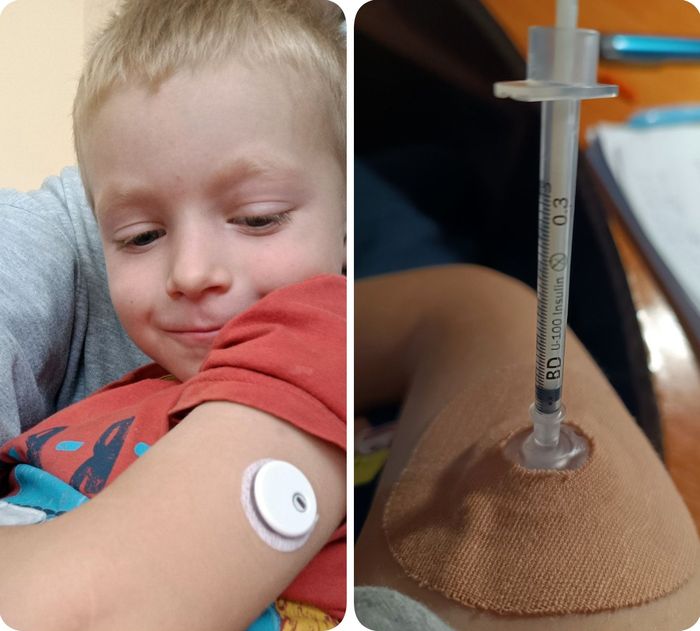
For small patients like Dima, the use of continuous glucose monitoring sensors and injection ports helps make daily diabetes management more comfortable and reduces the number of painful pricks. At the same time, these consumables require regular replacement and place a significant financial burden on the family. Every month, Dima needs two sensors and ten injection ports, the total cost of which is about 8,000 hryvnias (approx. 190 USD).
New fundraiser: for sensors and injection ports